

Images of ascetics, with their emaciated bodies, sun-tanned skin, and contemplative eyes, have long symbolized detachment from the mundane and the pursuit of truth. Particularly, the sight of Sadhus by the sacred Bagmati River in Nepal deeply imprints on tourists' minds, evoking curiosity and admiration. Who are they, how do they live, and what compels them to abandon material life for a rigorous spiritual path? This article takes you on a profound journey of discovery, unraveling the mysteries behind the lives of these ascetics, while also painting a vibrant picture of the culture and beliefs along the legendary Bagmati River.
Who are Sadhus?
Sadhu, a Sanskrit word meaning "holy man" or "ascetic," is a general term for men (and sometimes women, called Sadhvi) who renounce worldly life to pursue a spiritual path and liberation. They forsake possessions, family, careers, and all material attachments to live a simple life, focusing on spiritual practice, meditation, and devotion to the divine. Sadhus are an integral part of the cultural and religious landscape of India and Nepal, especially within the Hindu traditions.
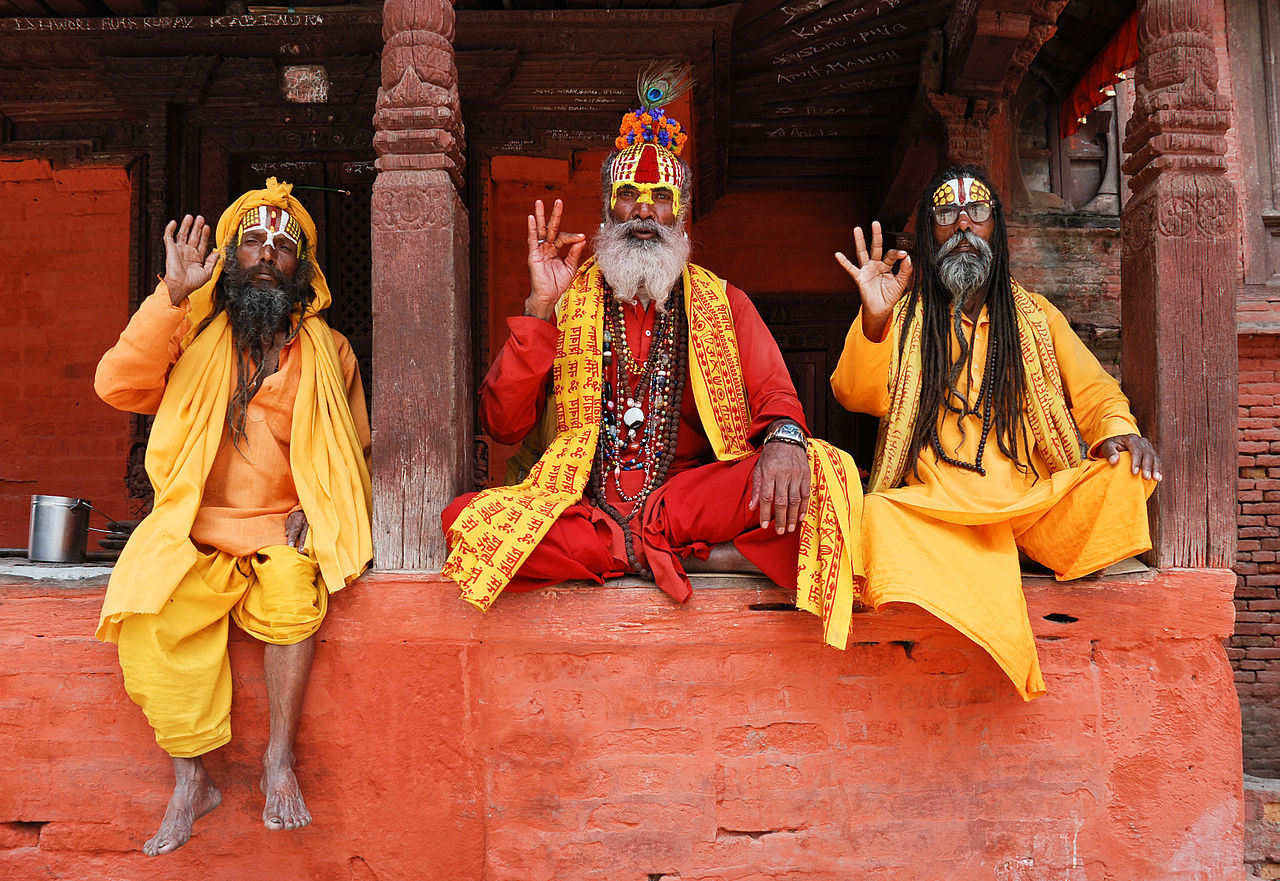
Origins and History of Sadhus
The concept of Sadhu has deep roots in ancient Indian history, intertwined with the development of philosophies and religions such as Hinduism, Buddhism, and Jainism. Since the Vedic period, there were sages (Rishis) who chose a secluded life, practicing austerity in forests and mountains to contemplate the universe and human nature. These individuals are considered the predecessors of later Sadhus. Over time, various ascetic schools emerged, each with its own doctrines, rituals, and practices, but all aiming for the common goal of achieving Moksha (liberation) or Nirvana.
The establishment of monastic orders and religious lineages (Sampradayas) further solidified the role of Sadhus in society. They were not just individual practitioners but also members of a larger spiritual community, passing down knowledge and spiritual experiences through generations. Pilgrimages to holy sites like Varanasi, Rishikesh, Haridwar, and Pashupatinath (Nepal) became an important part of the Sadhus' lives, serving as opportunities to seek enlightenment and share teachings with devotees.
Classification of Sadhu Orders
There are many different Sadhu orders, each with its own characteristics in terms of attire, philosophy, and practice. However, some of the most common and recognizable orders include:
- Vaishnavas: Devotees of Vishnu, the preserver and sustainer of the universe. They often wear a "V" mark on their forehead or neck and may wear yellow or white attire.
- Shaivas: Worshippers of Shiva, the god of destruction and transformation. They typically smear their bodies with ash (Vibhuti), may wear Rudraksha seed malas, and wear orange or red attire. This is the order most often associated with extreme asceticism.
- Shaktas: Worshippers of Shakti, the goddess of power and creation.
- Smartas: Adherents of pluralistic traditions, worshipping the five principal deities of Hinduism: Vishnu, Shiva, Ganesha, Surya, and Devi.
This diversity reflects the richness and complexity of Hinduism, where each devotee can find a spiritual path suited to them. However, regardless of their order, their ultimate goal is to seek liberation from the cycle of birth and death (Samsara) and merge with the Supreme Divinity.
The Ascetic Life of Sadhus by the Bagmati River
The Bagmati River, flowing through Nepal's capital, Kathmandu, is not just a sacred waterway but also a gathering place for hundreds, even thousands, of Sadhus. They choose a life of seclusion, abandoning all material comforts to focus on spiritual practice and contemplation.
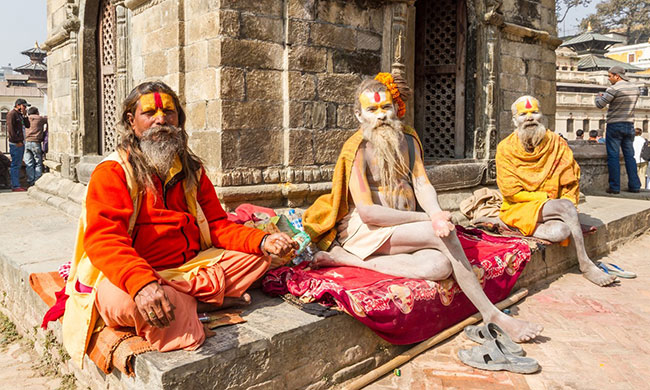
Ascetic Rituals and Practices
The life of a Sadhu is marked by ascetic practices aimed at purifying the body and mind, overcoming worldly desires. These practices can include:
- Fasting and Abstinence: Many Sadhus follow strict dietary regimes, even fasting for days or weeks to control hunger and purify their bodies.
- Prolonged Meditation: They spend hours each day meditating, focusing on their breath, chanting mantras, or contemplating the nature of reality.
- Holding Severe Poses: Some Sadhus are famous for holding physical postures for extended periods, even days, such as standing on one leg, raising their arms to the sky, or keeping one arm immobile. These practices are meant to train the body and mind's endurance and demonstrate complete detachment from physical limitations.
- Living in Harsh Conditions: They often live in makeshift huts, caves, or even outdoors, enduring heat, rain, and cold.
- Renunciation of All Possessions: Sadhus own nothing but the barest personal necessities like clothing, alms bowls, and prayer beads.
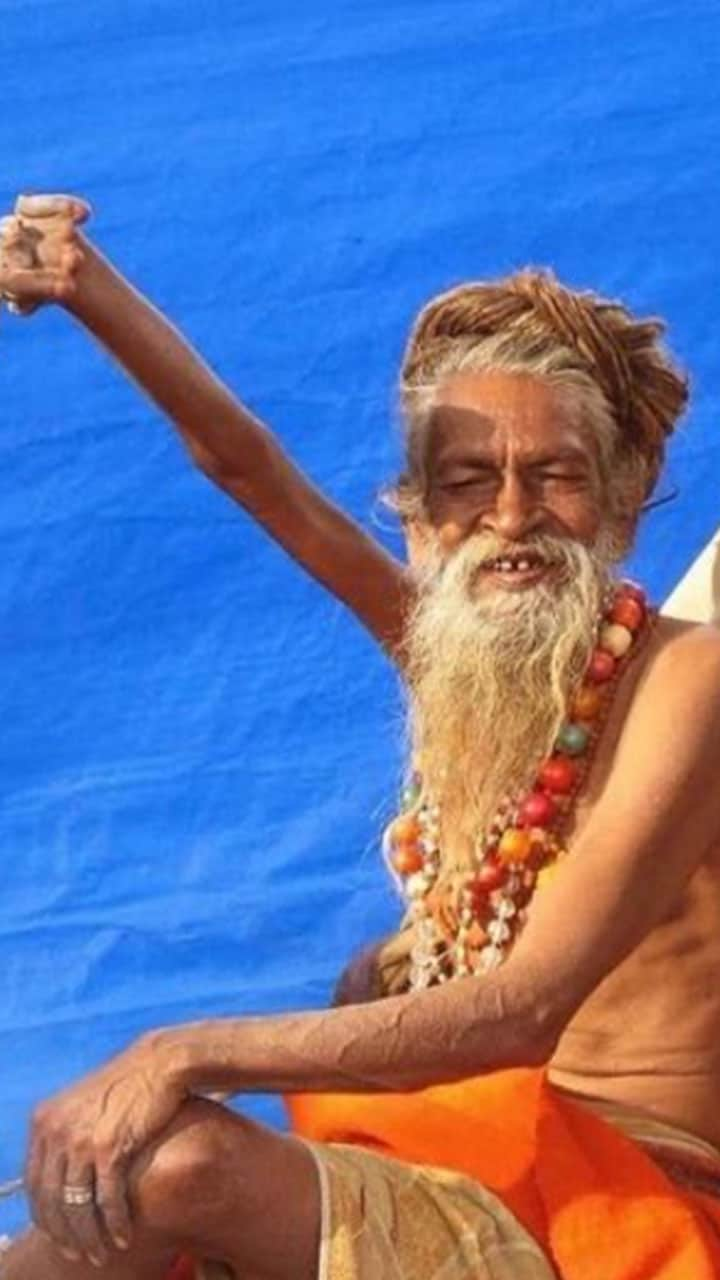
Amar Bharati: Has held his arm up since 1973
These practices are not meaningless self-mortification but rather means for Sadhus to shed "Maya" (illusion) – the illusion of the material world – and achieve a profound understanding of the self and the universe.
Role and Significance of Sadhus by the Bagmati River
Besides the sacred bathing rituals on the Bagmati River, Sadhus play a vital role in the spiritual lives of locals and tourists. They are considered messengers of the divine, bestowing blessings and spiritual guidance.
- Spiritual Guides: Sadhus often share teachings, answer questions about religion and life philosophy for those who seek them. They are custodians of ancient knowledge and long-term spiritual experience.
- Symbols of Renunciation: Their presence serves as a reminder of the value of renouncing material desires and seeking deeper meaning in life.
- Participation in Festivals: Sadhus are central figures in many major religious festivals like Maha Shivaratri, where they gather in large numbers by the Bagmati River to perform special rituals.
- Attracting Tourists: The unique image and ascetic lives of Sadhus have become a draw for spiritual tourists, offering unique cultural experiences in Nepal.
However, it is important to note that not all individuals claiming to be Sadhus truly lead a life of genuine spiritual practice. Some may exploit the name of Sadhu for personal gain or live off the alms of others. Tourists should exercise discernment and respect those who genuinely dedicate their lives to the spiritual path.
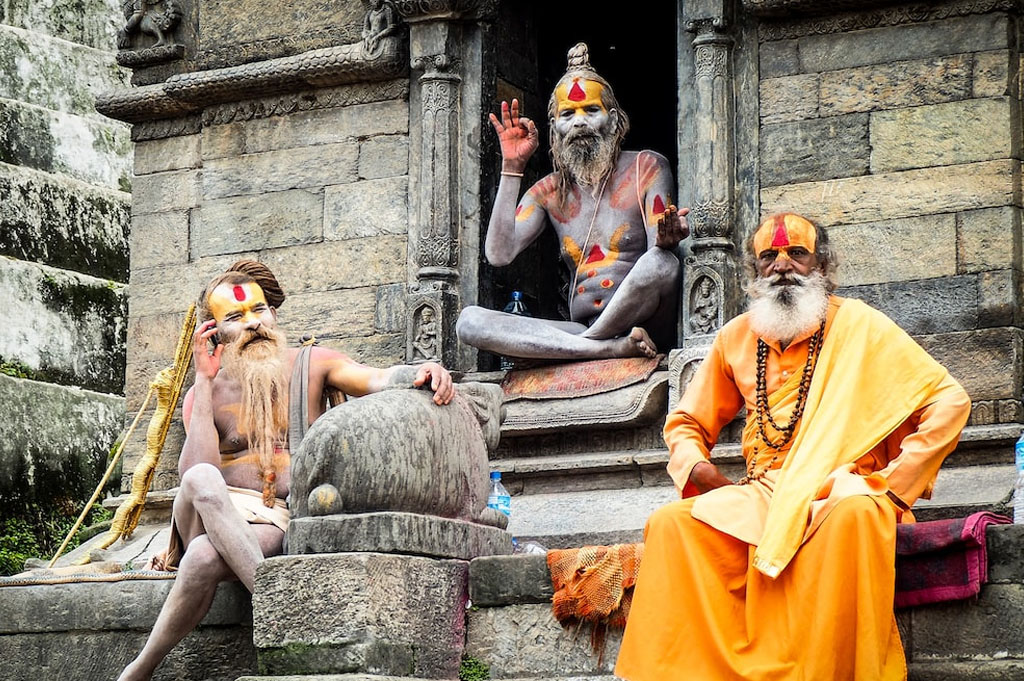
Spiritual Travel Experiences in Nepal
Nepal, with its rich religious and cultural history, is an ideal destination for those seeking authentic spiritual travel experiences. The Bagmati River and the sight of Sadhu ascetics are just a small part of the country's profound spiritual tapestry.
Exploring Famous Spiritual Sites
Besides the Bagmati River, Nepal boasts many other important spiritual sites:
- Lumbini: The birthplace of Lord Buddha, it is the most sacred pilgrimage site for Buddhists worldwide. Visitors can explore the Queen's Garden, Maya Devi's Temple, and discover monasteries built by various nations.
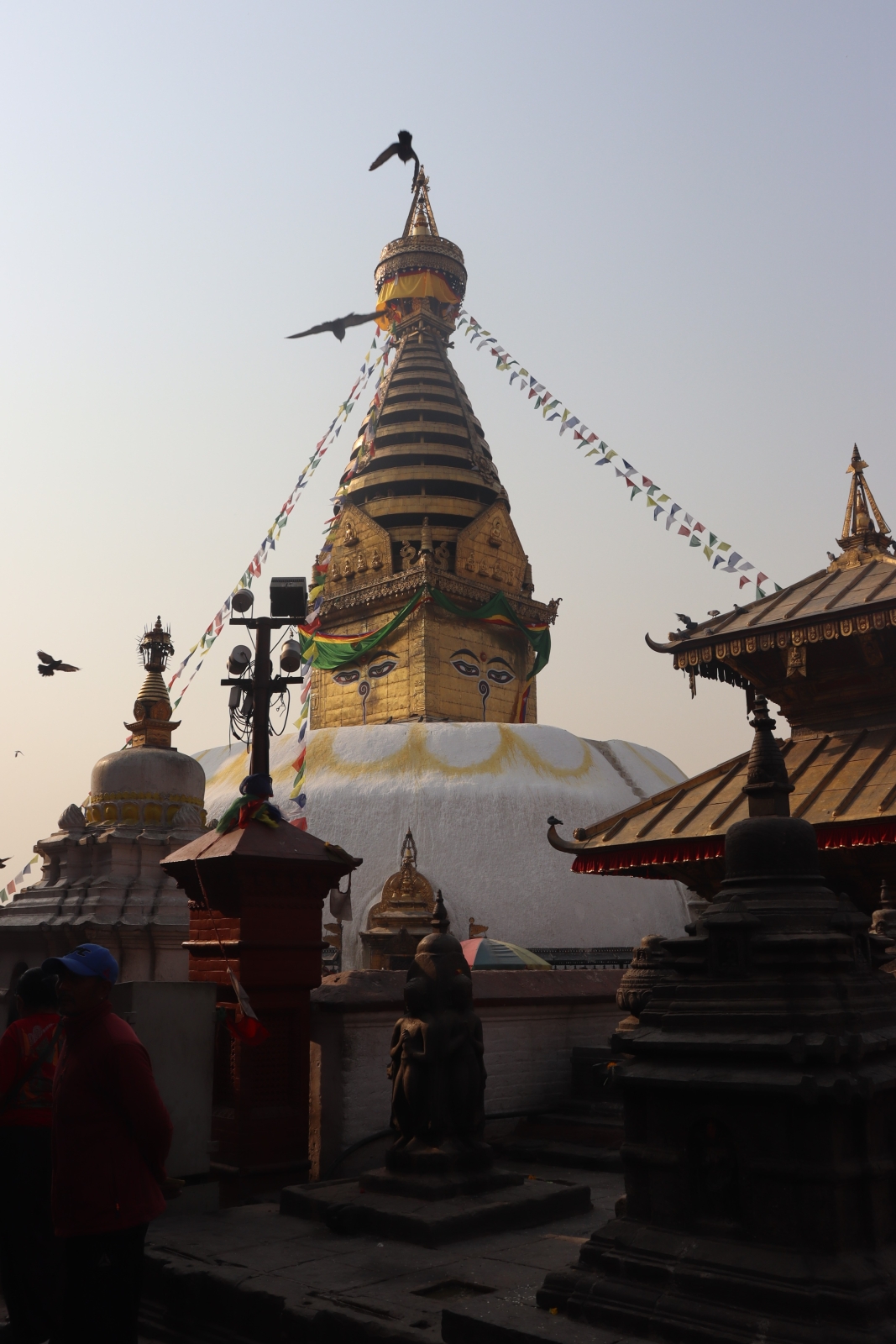
- Swayambhunath (Monkey Temple): A complex of Buddhist and Hindu temples atop a hill overlooking the Kathmandu Valley. It is famous for the Buddha's eyes painted on the stupa, looking in four directions.
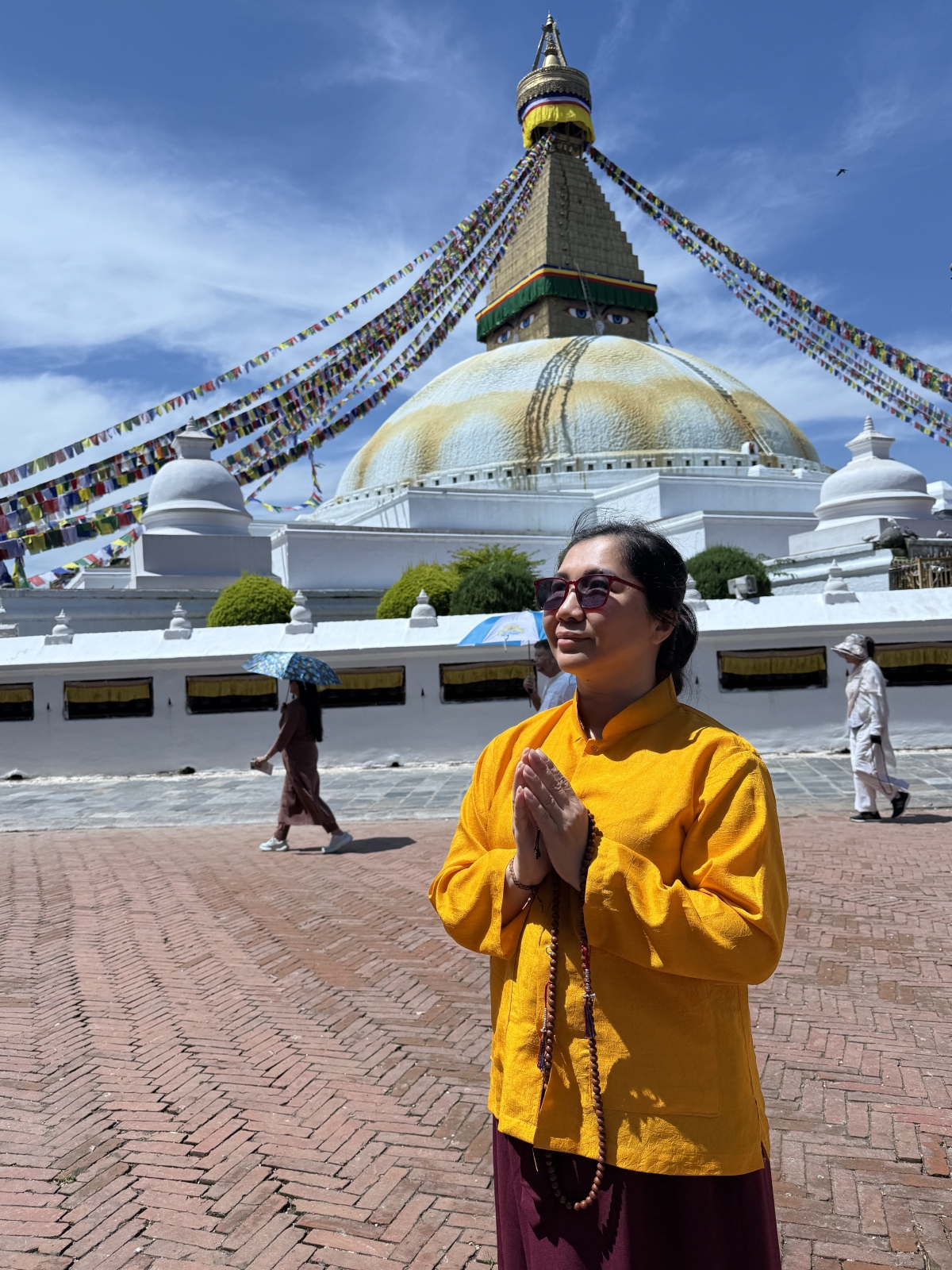
- Boudhanath: One of the largest stupas in the world, it is a significant pilgrimage center for Tibetan Buddhism. Surrounding the stupa are numerous monasteries, Buddhist artifact shops, and restaurants serving local cuisine.
- Pashupatinath: Nepal's most sacred Hindu temple, dedicated to Lord Shiva. It is renowned for its cremation rituals along the Bagmati River, offering a raw insight into the cycle of life and transformation.
- Rishikesh (India): Although not in Nepal, Rishikesh, known as the "Yoga Capital of the World," is often included in spiritual tours to the Himalayan region. It is home to hundreds of ashrams and yoga and meditation centers.
Suitable Travel Styles
Nepal offers a variety of tour types to cater to different traveler needs, especially for those interested in spirituality and humanitarian work:
- Spiritual Tours: Focus on exploring religious sites, participating in rituals, learning about philosophies, and practicing yoga and meditation.
- Volunteer Tours: Engage in activities to help local communities, support education, healthcare, or cultural preservation projects.
- Cultural Exploration Tours: Learn about the daily lives of the people, local cuisine, traditional crafts, and the history of various dynasties.
- Combo Tours: Combine various experiences such as short treks, historical site visits, and stays at quality hotels.
Choosing a reputable organizer like Dzogchen Travel, with services including domestic and international tours, flight bookings, hotels, car rentals, visa assistance, and professional tour guides, will ensure a smooth and meaningful journey.
Advice for Travelers
When visiting Nepal, especially the areas around the Bagmati River, travelers should keep a few things in mind for a respectful and meaningful experience:
Mental and Knowledge Preparation
Before your trip, thoroughly research Nepal's culture, religion, and customs. This will help you avoid disrespectful actions and better understand the significance of what you witness.
Come with an open mind, ready to learn and contemplate. This journey is not just about exploring places but also about self-discovery.
Etiquette and Respect
- Dress Code: Dress modestly and respectfully when visiting spiritual sites. Avoid overly short or revealing clothing.
- Photography: Always ask for permission before taking photos of Sadhus or local people. Avoid taking pictures in restricted areas or during their rituals.
- Interacting with Sadhus: If you wish to approach or speak with a Sadhu, do so with respect. Do not disturb them if they are meditating or performing rituals. If you wish to offer gifts or money, give it directly or through trusted organizations.
- Sensitivity: The cremation areas by the Bagmati River may be disturbing to some. Be mentally prepared and respectful of the ongoing rituals.
Health and Safety
Drink bottled or treated water to avoid digestive issues. Be cautious with street food. Bring personal medications and sunscreen.
In crowded areas, be mindful of your personal belongings. It is advisable to travel with a local guide or in a group for safety.
A trip to Nepal, especially to witness the lives of Sadhus by the Bagmati River, will be an unforgettable experience, offering profound lessons on simplicity, compassion, and the journey to find life's meaning.
Contact Information
DZOGCHEN TRAVEL CO., LTD
Address: 151-153 Phu Tho Hoa Street, Phu Tho Hoa Ward, HCMC
Hotline: 0833939768
Phone: 0833939768
Email: xuan@dzogchentravel.com
Website: dzogchentravel.com