

Dzogchen Travel respects and requests permission to withhold the guest's name as per their request, and invites everyone to follow their journey.
As the exploration of Nepal concludes, certain experiences settle deep within the soul, making one's eyes seem to shed tears before the majestic serenity and sacred relics. This was not just a trip, but a pilgrimage to one's spiritual roots, a journey connecting the self with the vast universe. This article will take you along my footsteps through 8 memorable days in this mystical land, where each step touches history, culture, and enlightenment.
Day 1: Arriving in Kathmandu - Inhaling the Sacred Atmosphere
The flight landing at Tribhuvan International Airport in Kathmandu was the first invitation to the land of majestic snow-capped mountains and rich cultural heritage. From the moment I stepped off the plane, a different atmosphere enveloped me – a blend of incense, smoke, and a cool breeze carrying the breath of the mountains. The capital, Kathmandu, appeared as a vibrant painting, where ancient temples and sacred monasteries nestled amidst the bustling city, creating a unique charm.
The transfer from the airport to the hotel was also an interesting experience. Although the traffic was somewhat chaotic, it was precisely this liveliness that brought a sense of authenticity and closeness to the daily lives of the Nepalese people. After completing check-in procedures and resting a bit, I began my journey exploring the first corners of Kathmandu. Small winding alleys led to ancient squares, where devout followers prayed and tourists marveled at the unique architecture. Dal Bhat – the traditional Nepalese meal – with its rich flavor and spreading warmth, concluded the first day, leaving me eager for the days to come.
Day 2: Mystical Boudhanath and the Teachings of Vajrayogini
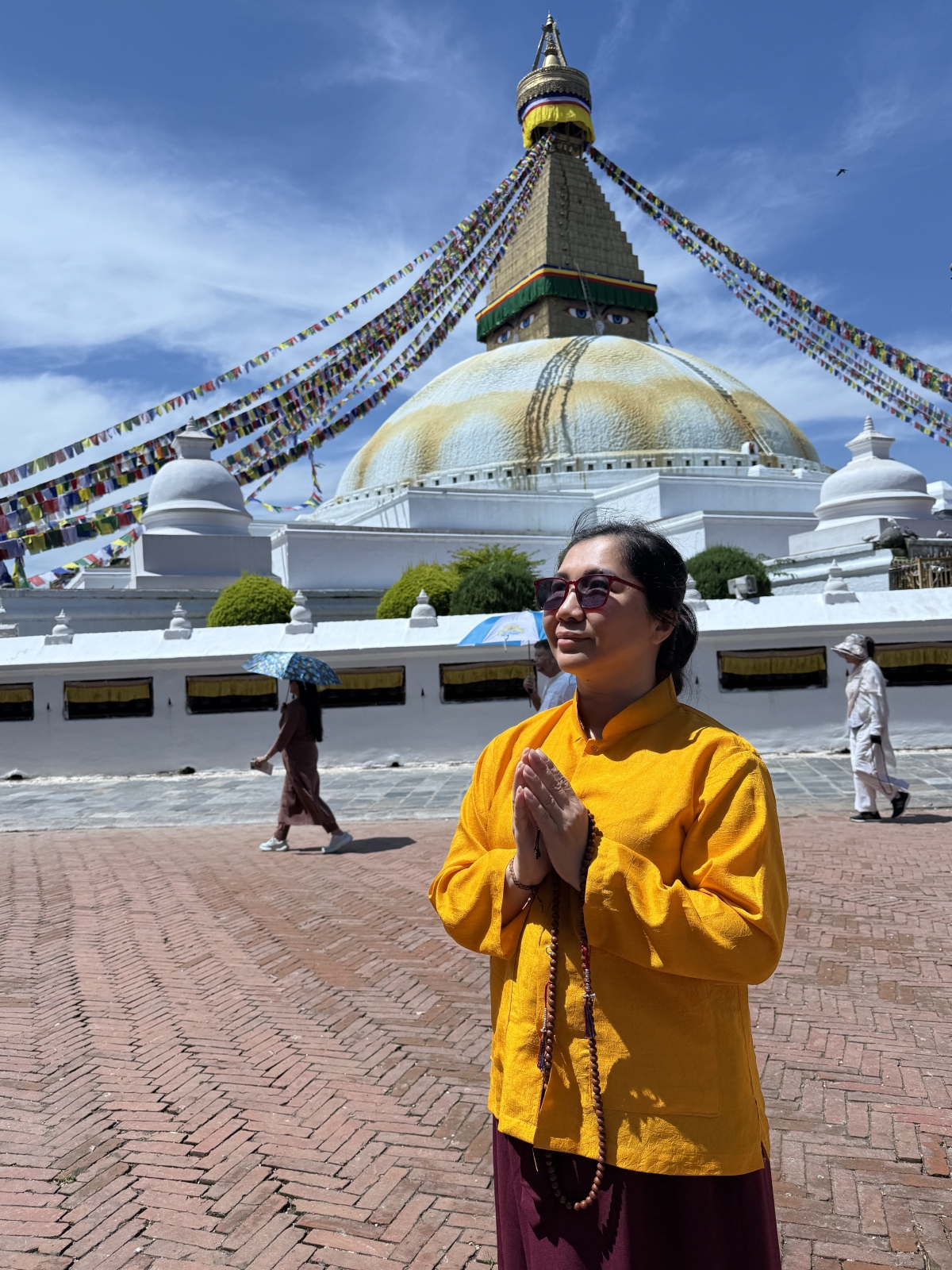
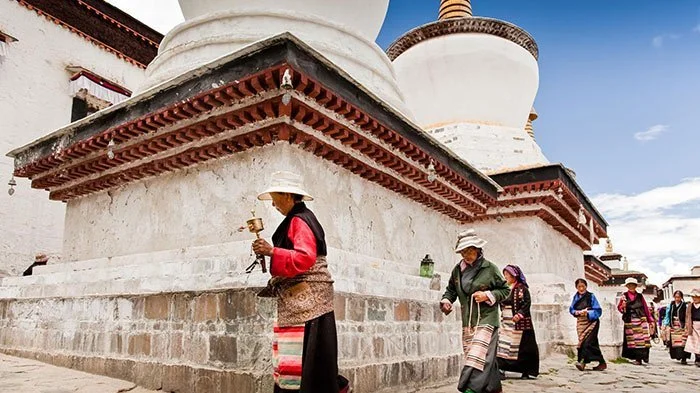
The second day in Nepal was a journey of deep spiritual exploration, beginning with a visit to Boudhanath Stupa – one of the largest Buddhist stupas in the world and an important center of Tibetan Buddhism in Nepal. In the early morning, as the first rays of sunlight illuminated the stupa, it created a scene of profound tranquility and majesty. Local people and monks in saffron robes spun prayer wheels, murmuring mantras, creating an unusually sacred atmosphere.
Next, I visited a Vajrayana monastery, where I had the opportunity to experience Buddhist culture and art more deeply. In particular, I learned about Thangka paintings – exquisite scroll paintings, often depicting Buddhas, Bodhisattvas, and spiritual realms. Every brushstroke, every color on a Thangka painting held profound meanings about Buddhist teachings. Afterward, a special moment arrived when I had the chance to "receive the empowerments of Vajrayogini." This is an important ritual, signifying blessings for prosperity, good fortune, and peace, and also an opportunity to connect with positive energy and wisdom.
In the afternoon, I spent time walking around the Boudhanath area, feeling the serenity and peace emanating from this place. Shops selling souvenirs and small tea houses with strong Tibetan cultural flavors made me feel like I had stepped into another world. Observing the daily lives of the people, listening to the ringing wind chimes, and inhaling the faint scent of incense brought a sense of relaxation and peace.
Day 3: Wandering Through Sacred Caves
The third day of the journey was a mysterious and sacred exploration as I was guided to visit famous Buddhist caves around the Kathmandu Valley. First was Asura Cave, a site believed to be where Guru Rinpoche meditated and attained enlightenment. Stepping into the cave, a sense of solemnity and tranquility enveloped the space. Dim light illuminated the cave, highlighting mossy patches and ancient stones, evoking a feeling of connection to the distant past.
Continuing the journey, I visited Tara Cave and Vajrayogini Cave. Each cave possessed its own beauty and story. Tara Cave, according to legend, is associated with the goddess Tara, a symbol of compassion and protection. Vajrayogini Cave, on the other hand, is linked to the supreme female Buddha in Vajrayana, symbolizing transformation and wisdom. Setting foot in these sacred places, where enlightened beings once practiced, brought a truly special feeling, a profound resonance within the soul.
Finally, I visited Zhitro Lhakhang Monastery. This monastery is not only a place for spiritual practice but also an important cultural center. I had the opportunity to observe the monks performing daily rituals, listening to the deep, resonant sound of chanting and the strike of gongs and bells. The simplicity and purity in the monastic life of the monks here inspired even greater admiration.
Leaving the caves and the monastery, I carried with me a sense of peace and a deeper understanding of the spiritual path.
Days 4 & 5: Journey to Lumbini - The Birthplace of the Buddha
The next two days of the trip were dedicated entirely to Lumbini, the sacred birthplace of Lord Buddha. The journey to Lumbini from Kathmandu was not just a geographical distance but also a spiritual expedition, taking me to the roots of Buddhism. Upon arriving in Lumbini, I immediately felt a difference from the bustling atmosphere of Kathmandu. This place possessed a peaceful, serene beauty, enveloped by lush greenery and architectural structures bearing the distinct Buddhist imprints of various nations.
The heart of Lumbini is the Sacred Garden, featuring the Maya Devi Temple, marking the spot where the Buddha was born. Standing before the sacred stone, I felt a profound sense of reverence and emotion. This was where, over 2,500 years ago, Queen Maya Devi gave birth to Prince Siddhartha. The feeling of setting foot on the origin of a great doctrine, a philosophy that has altered the course of human history, is truly difficult to put into words.
I spent time walking around the monasteries built by different Buddhist countries worldwide, each monastery showcasing a unique architectural style and cultural touch. From monasteries with strong Thai and Japanese architecture to those with Tibetan styles, all contributed to a colorful tapestry of global Buddhism. Sitting in meditation under the trees, listening to the birdsong, and feeling the peace spread through the space were invaluable moments.
The two days in Lumbini were not only an opportunity for pilgrimage but also a chance for me to reflect on the life and teachings of the Buddha. I practiced meditation, recited scriptures, and contemplated lessons on compassion, wisdom, and liberation. Leaving Lumbini, I carried with me a purification of the soul and a deeper faith in the path to enlightenment.
Day 6: Kathmandu Valley - A Tapestry of History and Culture
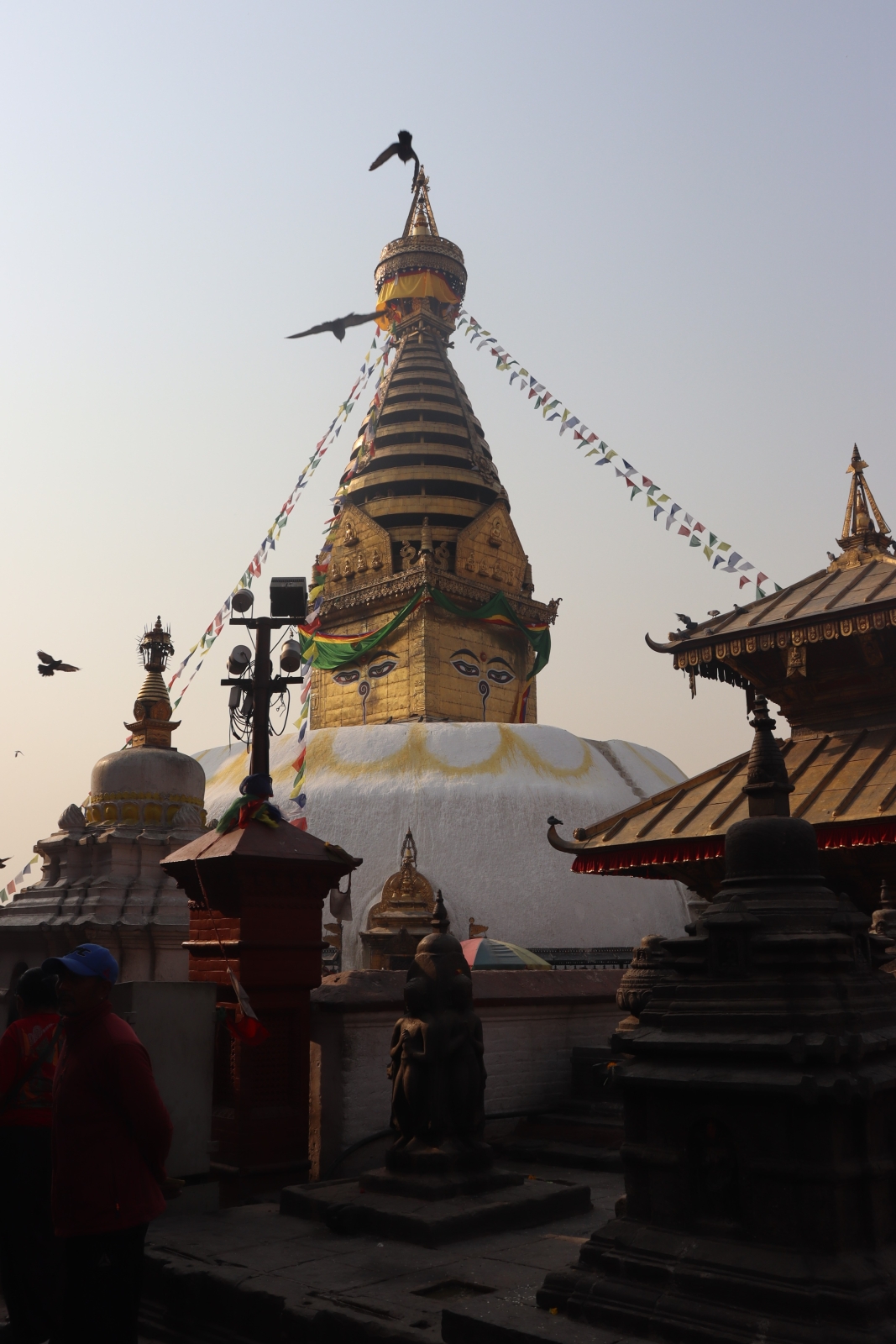
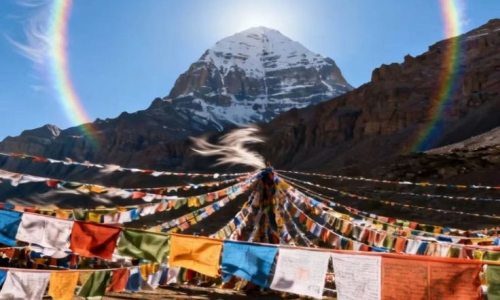
After days of seeking spiritual roots, on the sixth day, I returned to the Kathmandu Valley to explore its rich historical and cultural heritage. The first destination was Swayambhunath Stupa, also known as the Monkey Temple. Perched on a hilltop, this stupa offered a breathtaking panoramic view of Kathmandu city. Climbing the 365 steps, I was awestruck by the stupa's majesty, with its intricate Buddha eyes gazing in all directions, and prayer flags fluttering in the wind.
Next, I visited the Golden Temple (Hiranya Varna Mahavihar) in Patan. This temple is renowned for its exquisite copper and gold architecture, along with ancient Buddha statues. The glittering gold and the delicate details of carvings from centuries ago left me astonished by the skill and artistry of ancient craftsmen.
Afterward, I visited the Thousand Buddha Temple, a place that evoked a sense of tranquility and solemnity. Thousands of Buddha statues of various sizes and postures were harmoniously arranged, creating a unique space for veneration. At the end of the day, I spent time exploring Kathmandu Durbar Square, the historical heart of the city. This square is home to many ancient palaces and temples, reflecting traditional Nepalese architecture. Despite having endured devastating earthquakes, these relics still stand tall and captivating, telling tales of a glorious era, leaving me in speechless wonder.
Wandering among the ancient architectural structures, observing the daily lives of local people in the square, and listening to historical accounts from the guide helped me gain a deeper understanding of Nepal's diverse culture and rich history.
Day 7: Praying for Peace - Namo Buddha Stupa and Thrangu Tashi Yangtse Monastery
The seventh day was a special one, dedicated to praying for peace and prosperity for world harmony at one of Nepal's most sacred sites: Namo Buddha Stupa. The journey to Namo Buddha was not merely a scenic trip but also a profound spiritual pilgrimage. This stupa is built on sacred ground, believed to be where the Bodhisattva offered his body to save a starving tigress.
Here, I participated in a peace prayer ceremony. The solemn atmosphere, combined with the resonant chanting and the pervasive scent of incense, created an incredibly pure space. Along with other participants, I sincerely prayed for peace, happiness, and harmony not only for myself and my family but for all humanity.
Subsequently, I visited Thrangu Tashi Yangtse Monastery, a large and important monastery of the Karma Kagyu lineage. The monastery is situated on a hill, offering a quiet and serene environment, ideal for practice and contemplation. I had the opportunity to observe the monastic lives of the monks, learn about the teachings, and practice methods at the monastery. The simplicity, diligence, and compassion of the lamas here left a deep impression on me.
Participating in spiritual rituals and experiencing the solemn atmosphere at Namo Buddha Stupa and Thrangu Tashi Yangtse Monastery brought me a profound sense of peace. I felt my soul cleansed, lighter, and filled with hope for a peaceful future.
Day 8: Farewell Nepal - A Traveler Carrying Spiritual Imprints
The last day in Nepal was the time to bid farewell to this beautiful country, carrying with me countless memories and indelible spiritual imprints. In the morning, I spent some time buying meaningful souvenirs, exquisite Thangka paintings, or prayer items, as a way to cherish the experiences I had.
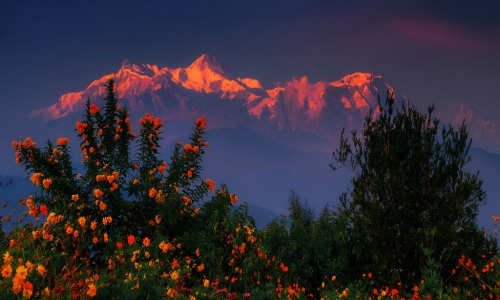
On the way to the airport, I took a final look at Kathmandu, the city of ancient temples and kind-hearted people. Although the journey lasted only 8 days, Nepal left me with precious lessons about serenity, compassion, and wisdom. The majesty of the mountains, the sacredness of the relics, and the unique culture touched the very depths of my soul.
As the plane took off, looking down at the Kathmandu Valley from above, I knew I had changed. My eyes now not only see external beauty but also feel the inner serenity and peace. Nepal is not just a tourist destination but a journey of self-discovery, an experience I will cherish forever.
The 8-day journey in Nepal has concluded, but its resonance lingers in my mind. It is the majestic serenity of the mountains, the sanctity of the relics, the gentle smiles of the local people, and above all, the transformation within the soul. I believe that everyone who sets foot in this land will find their own wonders and meanings.