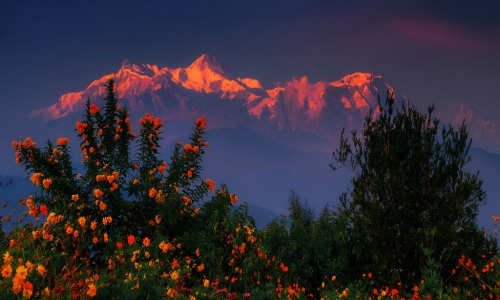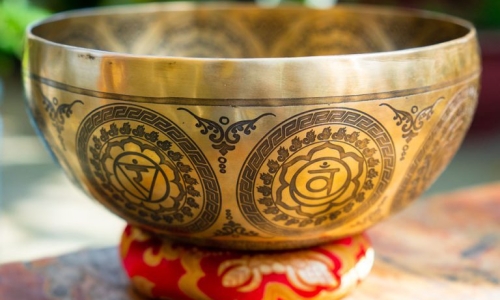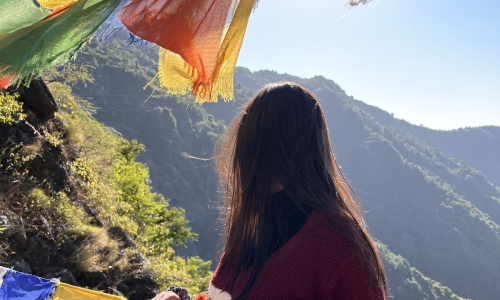


Kathmandu, the capital of Nepal, is a mystical and enchanting destination, a crossroads of culture, religion, and millennia-old history. The Kathmandu Valley is famously known as the "Valley of the Gods" due to the dense presence of temples, stupas, and sacred sites, attracting visitors from all over the world seeking peace and spiritual depth. This article will guide you on a journey to unravel the mysteries of Kathmandu, from its priceless cultural heritage to its unique travel experiences.
Introducing Kathmandu: The Valley of the Gods
Kathmandu is not only the administrative and economic center of Nepal but also the cultural and spiritual heart of the country. Situated at an altitude of about 1,400 meters above sea level, the valley encompasses three major ancient cities: Kathmandu, Patan (Lalitpur), and Bhaktapur, along with many smaller towns and villages. Every street corner, every temple in Kathmandu holds stories of history, legends, and unique architectural art, testifying to a glorious civilization that has existed for centuries. The harmonious blend of Buddhism and Hinduism creates a diverse and rich religious tapestry, clearly reflected in the festivals, rituals, and spiritual life of the people.
The History of Kathmandu's Formation and Development
Kathmandu's history can be traced back to ancient times, with archaeological evidence indicating the existence of settlements thousands of years ago. The valley was once a massive lake, and according to legend, the Bodhisattva Manjusri used his sword to carve through the mountains, allowing the water to drain and creating the fertile land it is today. Kathmandu began to develop significantly from the 12th century, under the Malla dynasty's rule, laying the foundation for prosperity in culture, art, and architecture. During the Malla era, many magnificent temples, palaces, and stupas were built, many of which still stand today and are recognized as UNESCO World Heritage Sites.
The Malla Kingdom Era and the Splendor of Ancient Architecture
The Malla dynasty (approximately 12th to 18th centuries) is considered the golden age of art and architecture in Kathmandu. The Malla kings were great patrons of the arts, encouraging the construction of unique religious and architectural works, deeply infused with local culture. The Durbar Squares (Royal Squares) in Kathmandu, Patan, and Bhaktapur are vivid testaments to this prosperity. They are elaborately adorned with intricate wood and stone carvings, temples dedicated to deities, and majestic palace buildings.
Kathmandu Under the Shah Dynasty
After the collapse of the Malla dynasty in 1769, King Prithvi Narayan Shah unified Nepal and established the Shah Dynasty. Kathmandu became the capital of a unified Nepal. Despite political changes, the architectural and cultural heritage of the Malla period was preserved and continued to flourish. New structures were built, reflecting a blend of traditional architectural styles and new influences. Today, Kathmandu still bears the imprints of this history, creating a special allure for tourists.
Kathmandu's Priceless Cultural Heritage
Kathmandu is a hub of cultural and religious heritage sites, recognized by UNESCO as World Heritage Sites. These locations not only hold historical and architectural value but are also centers of spiritual life, attracting millions of visitors annually.
Kathmandu Durbar Square: The Historic and Cultural Heart
Kathmandu Durbar Square is the historical heart of the city, once the site of royal rituals and activities. The square is renowned for its complex of palaces, temples, and courtyards built over centuries, showcasing the evolution of Newari architecture. Prominent structures include the Royal Palace (Hanuman Dhoka), Kumari Ghar (the residence of the living goddess), Kasthamandap Temple (a temple said to be made from a single tree trunk), and Shiva Parvati Temple. Each structure here is an artistic masterpiece, with exquisite carvings and profound spiritual significance.
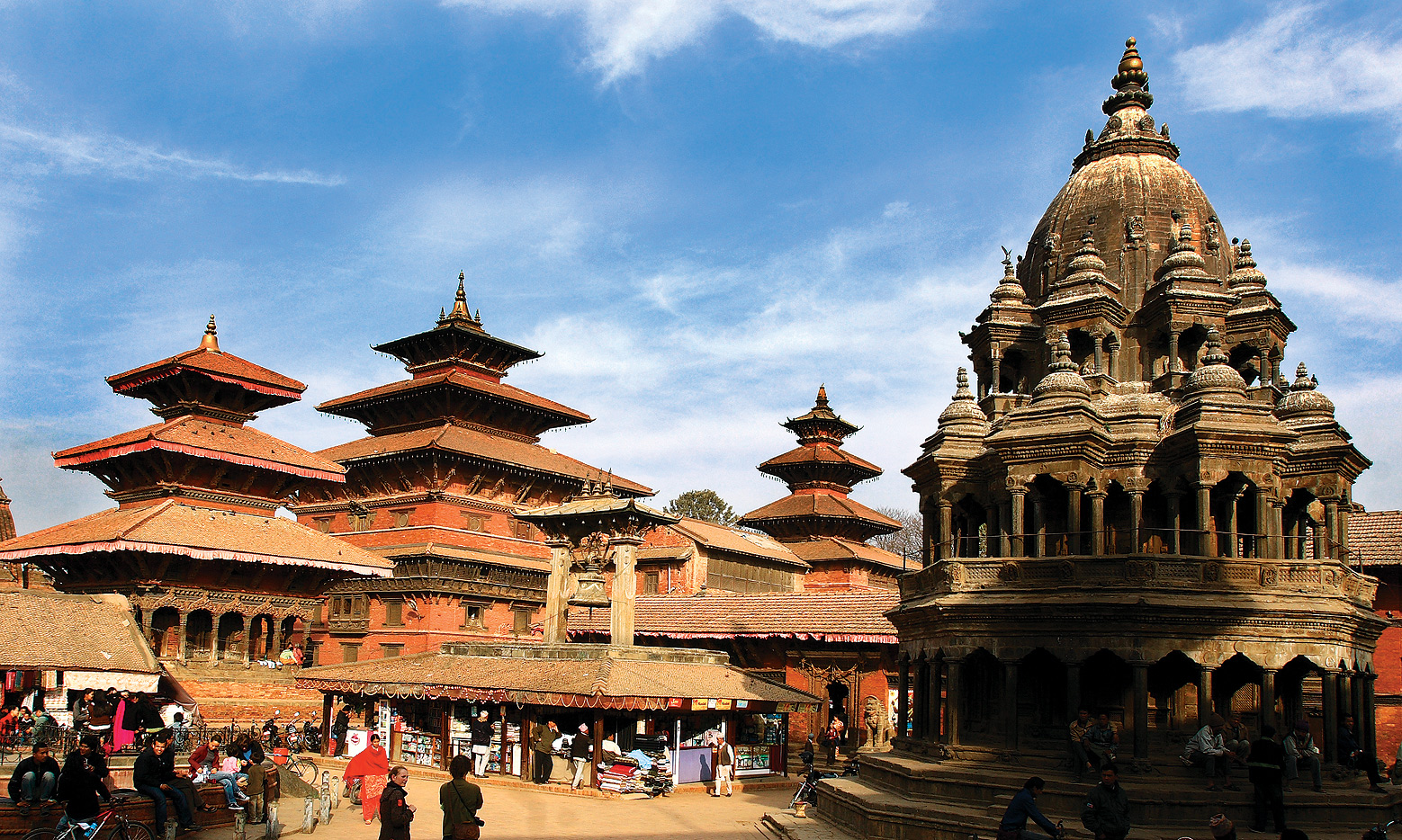
Swayambhunath Stupa: The Eye of God Gazing Over the Valley
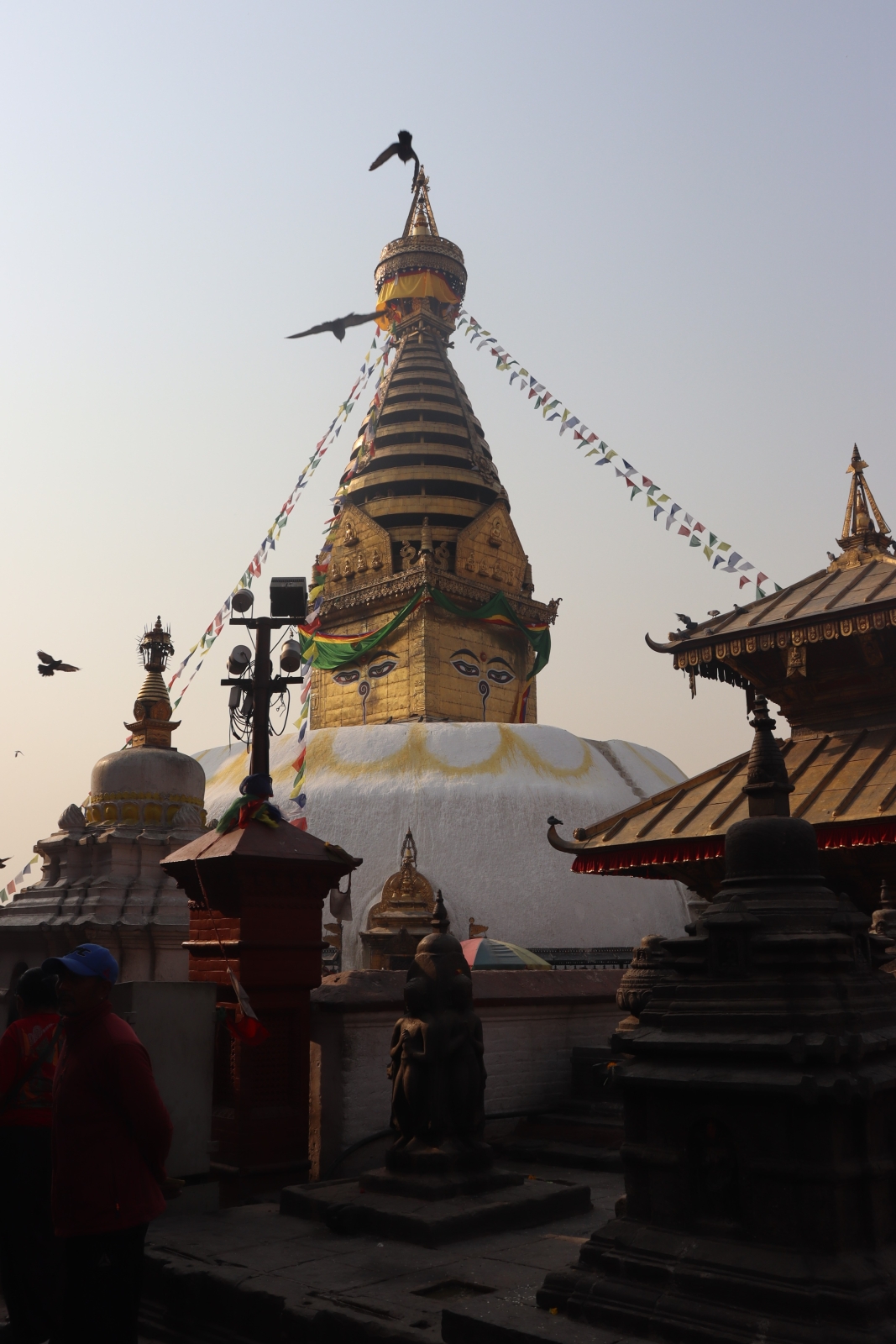
Perched on a hilltop, Swayambhunath Stupa (also known as the Monkey Temple) is one of Nepal's most sacred sites, considered a confluence of Buddhism and Hinduism. The stupa features a characteristic dome with giant Buddha eyes looking in four directions, symbolizing the Buddha's omniscience and wisdom. Surrounding the stupa are numerous small shrines, monasteries, and Buddha statues. Visitors come here not only to worship but also to admire the panoramic views of the Kathmandu Valley.
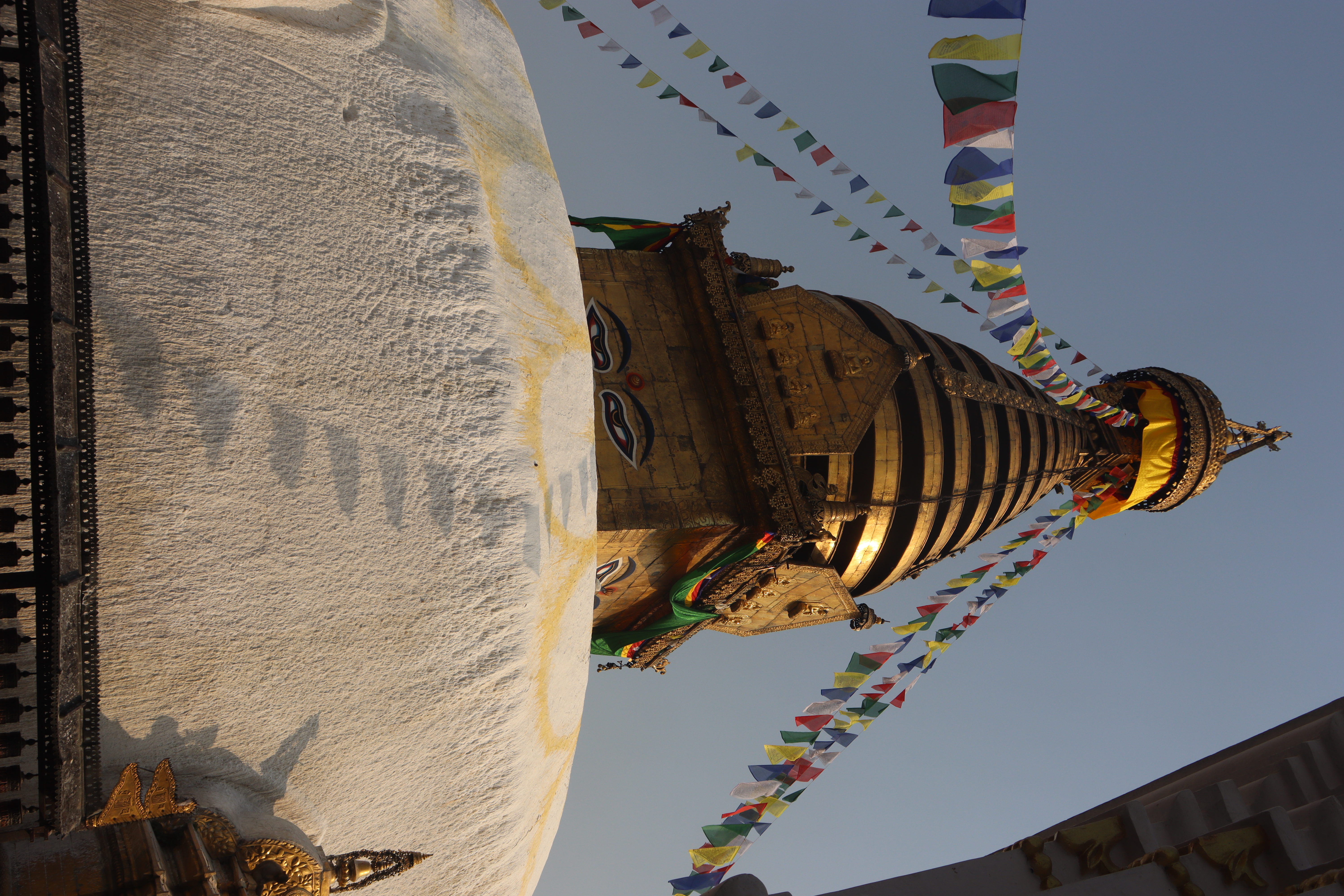
Boudhanath Stupa: The Largest Tibetan Buddhist Center
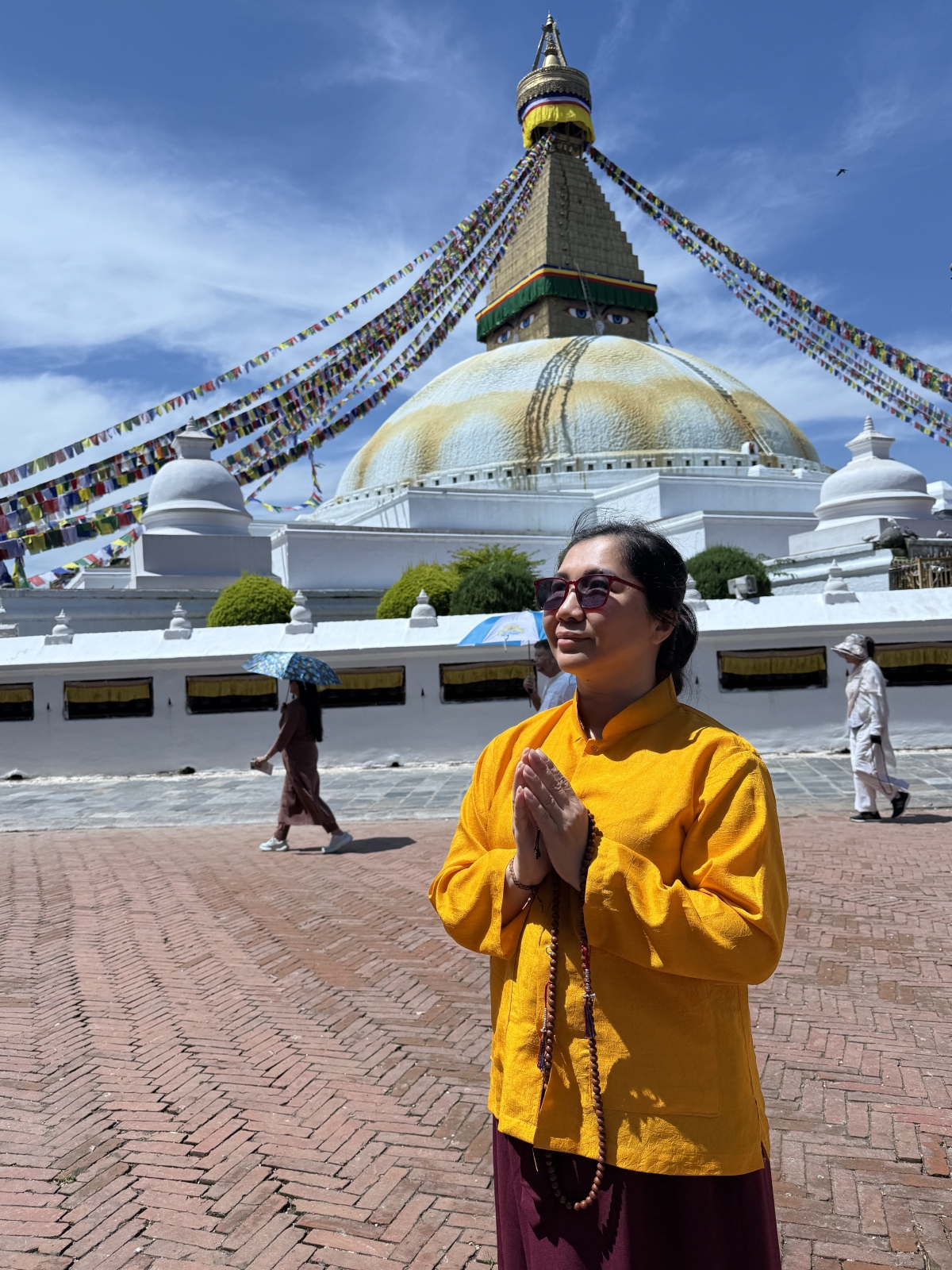
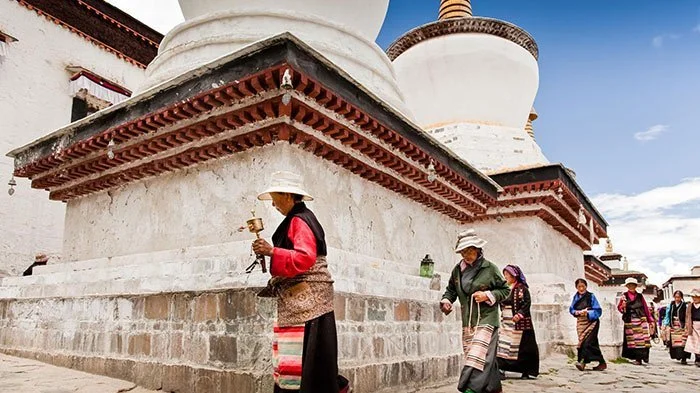
Boudhanath is one of the largest stupas in the world and a vital center for Tibetan Buddhism. The stupa's architecture resembles a giant mandala, with a cubical base and a pointed spire. The large Buddha eyes on the stupa symbolize enlightenment. Surrounding the stupa are monasteries, shops selling Buddhist items, and pilgrims who regularly circumambulate the stupa, chanting "Om Mani Padme Hum." Boudhanath emanates an atmosphere of serenity and peace, making it an ideal place for meditation and learning about Buddhism.
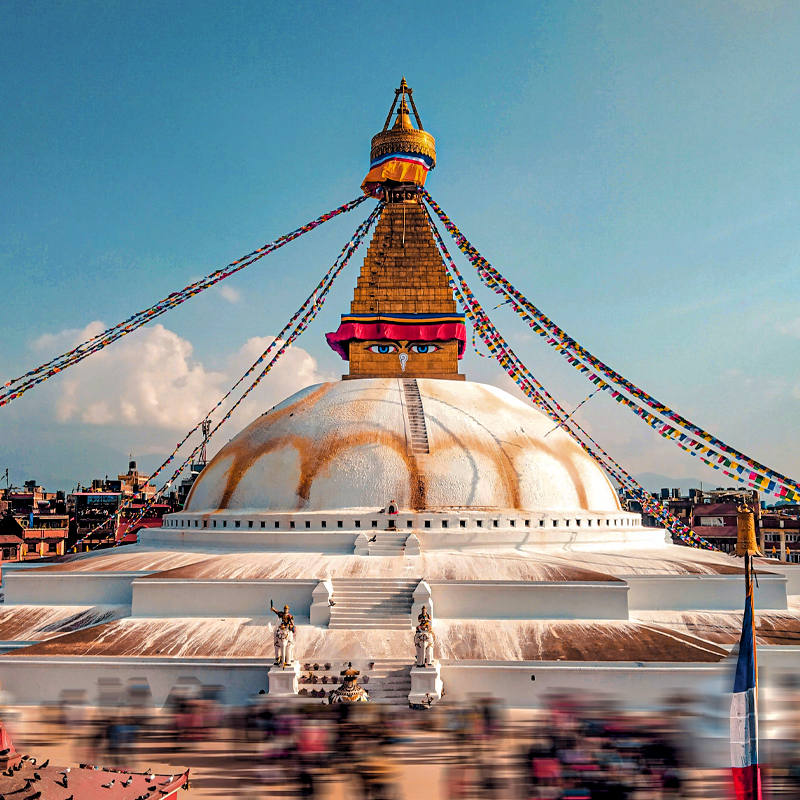
Pashupatinath Temple: The Center of Hindu Devotion
Located on the banks of the sacred Bagmati River, Pashupatinath Temple is one of the most important Hindu temples dedicated to Lord Shiva in the world. Its unique architecture with gilded copper roofs and intricate carvings attracts visitors from everywhere. Here, visitors can witness the traditional Hindu cremation ceremonies, a profound and contemplative spiritual experience about the cycle of life. However, the main sanctum is only accessible to Hindus; visitors can explore the surrounding areas and observe the rituals from a distance.
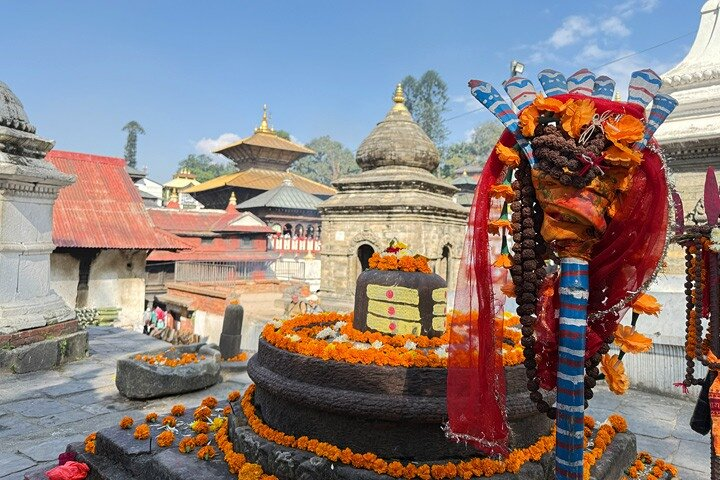
Bhaktapur Ancient City: A Living Architectural Museum
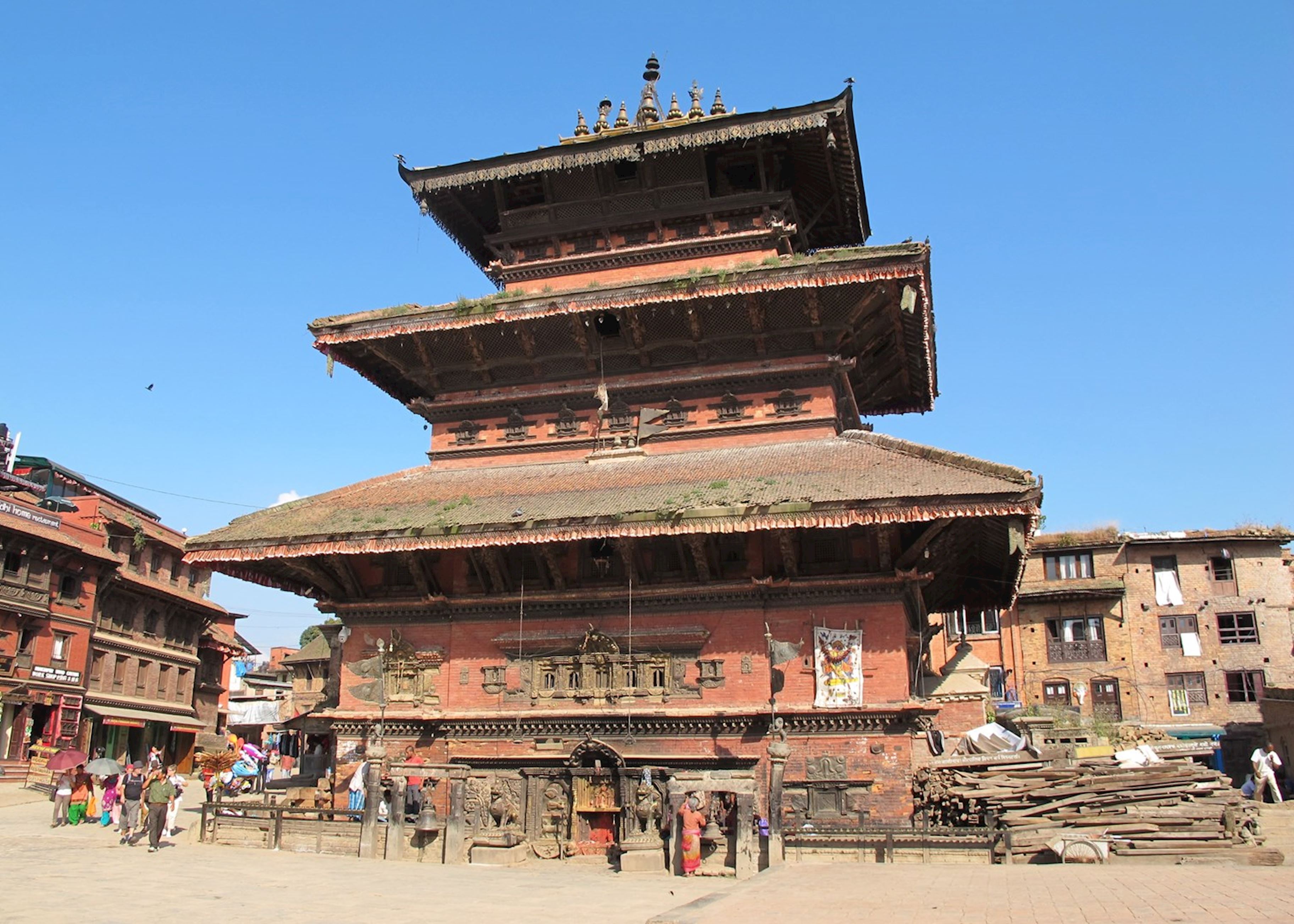
Bhaktapur, also known as the "City of Devotees," is one of the three royal cities of the Kathmandu Valley. It is preserved almost entirely, offering an authentic glimpse into ancient Newari life and architecture. Bhaktapur Durbar Square is famous for the Palace of 55 Windows, Nyatapola Temple (Nepal's tallest three-tiered temple), and Taleju Temple. Bhaktapur is also a center for traditional crafts such as pottery and weaving, offering unique cultural experiences to visitors.
Patan (Lalitpur) City: Center of Art and Architecture
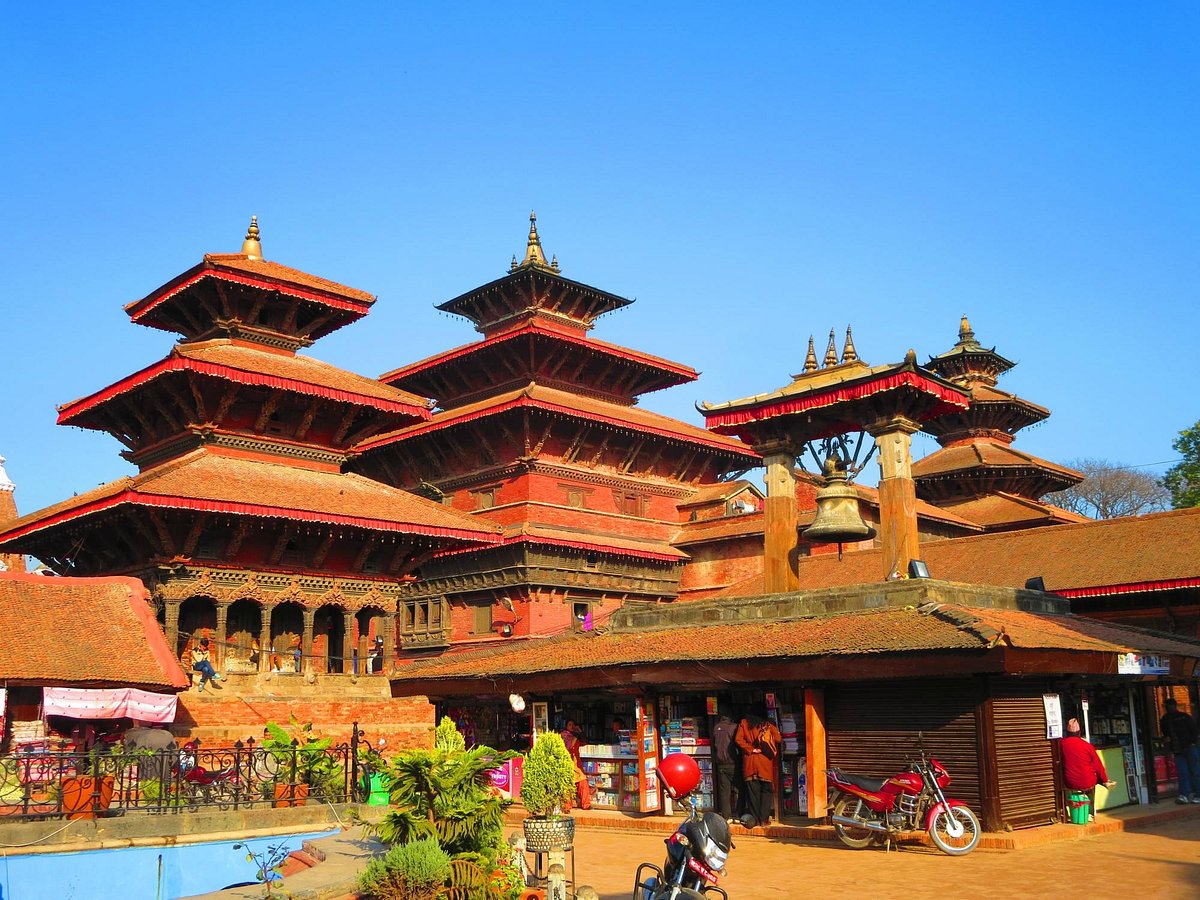
Patan, or Lalitpur ("The City of Beauty"), is a renowned center for art and architecture. Patan Durbar Square is a masterpiece of Newari architecture, with intricately decorated palaces, temples, and courtyards. Highlights include the Patan Royal Palace, Krishna Mandir Temple with its Indian Shikhar-style architecture, and the Golden Temple. Patan is also home to many talented artisans, famous for metalwork, carvings, and Thangka paintings.
Spiritual Travel Experiences in Kathmandu
Kathmandu is an ideal destination for those seeking spiritual connection and unique cultural experiences. Spiritual tours here go beyond mere sightseeing of religious sites; they offer opportunities for visitors to gain a deeper understanding of local philosophies, customs, and beliefs.
Participate in Meditation and Yoga Retreats
Kathmandu hosts numerous reputable meditation and yoga centers where visitors can join short or long-term courses. These programs typically combine theory and practice, helping participants explore their inner selves, reduce stress, and find peace. The serene atmosphere of monasteries and stupas provides an ideal environment for meditation practice.
Explore Traditional Religious Festivals
If you have the chance to visit Kathmandu during festivals like Dashain, Tihar, Holi, or Shivaratri, you will witness the vibrant and colorful traditions of religious ceremonies. These festivals offer excellent opportunities for visitors to learn about the culture, beliefs, and immerse themselves in the lively atmosphere of the local community.
Experience Volunteer Tourism
Nepal, especially after the 2015 earthquake, needs support from the international community. Volunteer tourism in Kathmandu offers visitors the chance to contribute to community projects, education, healthcare, or support non-governmental organizations. This is a meaningful way to connect with local people, understand their lives better, and make positive impacts.
Meet Spiritual Masters and Monks
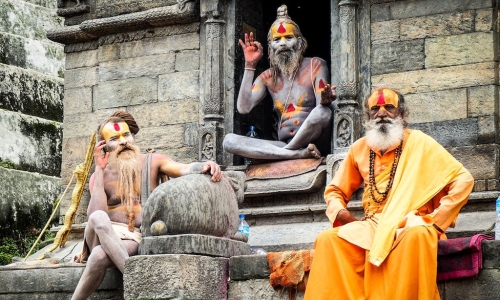
In some in-depth spiritual tour programs, visitors may have the opportunity to meet, converse with, and learn from spiritual masters, monks, or individuals with profound knowledge of Buddhism and Hinduism. These encounters offer valuable insights and inspire visitors on their journey of self-discovery.
Discover Kathmandu's Unique Cuisine
Kathmandu's cuisine is a delicate blend of Nepalese, Tibetan, and Indian flavors. Local dishes are not only delicious but also rich in culture and tradition.
Must-Try Traditional Dishes
Dal Bhat Tarkari: Nepal's national dish, consisting of rice, lentil soup (dal), cooked vegetables (tarkari), and sometimes meat or pickles. This meal provides complete nutrition and is the main source of energy for locals.
Momo: Steamed or fried dumplings, filled with meat or vegetables, often served with a spicy sauce. Momos are a popular snack and main dish, available everywhere from street food stalls to upscale restaurants.
Thukpa: A hearty noodle soup, usually with meat or vegetable fillings, perfect for Kathmandu's cool climate.
Gundruk: A dish made from fermented leafy green vegetables, with a distinct sour taste, often served with rice or dal bhat.
Enjoy Masala Chai and Other Beverages
Masala Chai (spiced tea) is an indispensable beverage in the daily life of Nepalese people. Brewed with black tea, milk, sugar, and spices like ginger, cardamom, and cinnamon, masala chai offers a warm and aromatic flavor. Additionally, visitors can try fresh fruit juices or other local beverages.
Important Notes for Traveling to Kathmandu
To ensure a smooth and meaningful trip, visitors should keep the following in mind:
Visa and Personal Documents
Most international travelers need a visa to enter Nepal. Visas can be obtained at Tribhuvan International Airport in Kathmandu or applied for in advance at the Nepalese Embassy in your country. Travelers must ensure their passport is valid for at least 6 months.
Currency and Payment Methods
The currency of Nepal is the Nepalese Rupee (NPR). Cash is the most common method of payment, especially in markets and small shops. However, large hotels, restaurants, and some tourist shops may accept credit cards. Visitors should exchange money at reputable exchange counters or banks.
Health and Hygiene
It is advisable to drink bottled water or boiled water. Avoid street food that may not be hygienic. It is recommended to bring basic medications and consult a doctor about necessary vaccinations before traveling.
Attire and Cultural Etiquette
When visiting religious sites, visitors should dress modestly and respectfully, covering shoulders and knees. It is customary to remove shoes before entering temples or private homes. Showing respect for local culture and beliefs is paramount.
Travel Safety
Be cautious with your personal belongings, especially in crowded areas. Use metered taxis or agree on the fare beforehand. It is advisable to be aware of emergency procedures and have contact information for the police and your embassy.
Travel Kathmandu with Dzogchen Travel
To make your exploration of Kathmandu complete and meaningful, choosing a reputable travel agency is crucial. Dzogchen Travel Co., Ltd. is proud to offer unique and high-quality spiritual and volunteer tourism experiences, meeting all traveler needs.
Tour Packages and Services
Dzogchen Travel offers a diverse range of products and services, including:
- Kathmandu Spiritual Tours: Explore sacred temples and stupas, participate in meditation retreats.
- Volunteer Tours: Engage in community support activities, making a tangible difference.
- Domestic and International Tours: Diverse destinations to suit all preferences.
- Flight Tickets, Hotels: Booking services for flights and accommodations at preferential rates.
- Car Rental, Visa, Event Organization Services: Comprehensive support for your trip.
- Attractive Travel Combos: Package deals offering cost savings.
- Professional Tour Guides: Knowledgeable in local culture, history, and language.
Quality Commitment
With a team of experienced and dedicated staff, Dzogchen Travel is committed to providing visitors with memorable, safe, and meaningful experiences. We always prioritize customer benefits and satisfaction, from consultation and planning to tour execution.
Contact Us
Please contact Dzogchen Travel Co., Ltd. for the best advice and support for your trip:
Address: 151-153 Phu Tho Hoa Street, Phu Tho Hoa Ward, HCM
Hotline: 0833939768
Phone: 0833939768
Email: xuan@dzogchentravel.com
Website: dzogchentravel.com