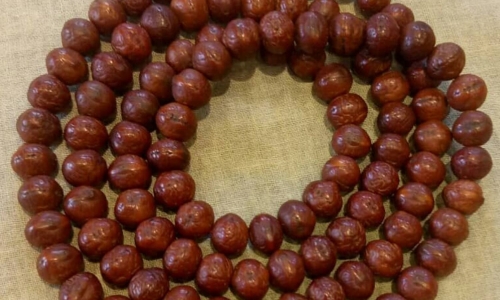


Explore Pashupatinath, one of the most sacred and mysterious sites on Earth, where life and death merge in a miraculous way along the legendary Bagmati River. This is not only an important pilgrimage center for Hinduism but also a living museum of culture, beliefs, and ancient rituals.
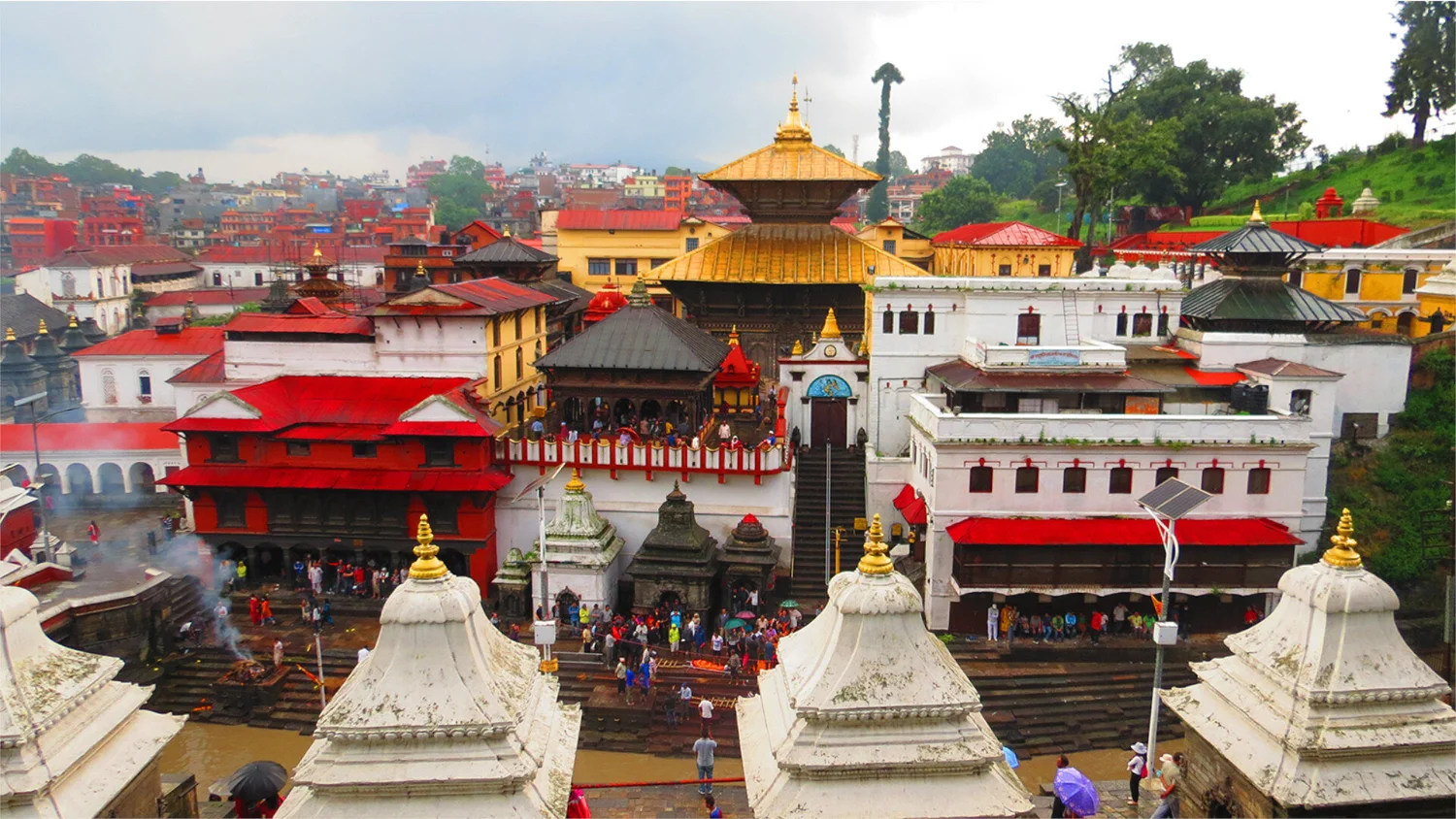
Pashupatinath: The Spiritual Symbol of Nepal
Located about 3km northwest of Nepal's capital, Kathmandu, the Pashupatinath Temple complex is a UNESCO World Heritage Site, attracting millions of devotees and tourists annually. It is a place that reveres Lord Shiva in the form of Pashupati – "Lord of all beings." The landscape here not only holds profound religious significance but also reflects a part of Nepal's unique history and culture.
Legends of Sacred Origin
Legend has it that Lord Shiva and Goddess Parvati once wandered through a sacred forest, which is now the Pashupatinath Temple. During one of his transformations into a beautiful deer, Lord Shiva accidentally strayed into the territory of other gods. While trying to escape, one of his antlers broke. The gods found him and asked him to become the guardian of this place. From then on, Lord Shiva has been worshipped under the title Pashupati, the protector of all beings.
Another legend tells of a shepherd who discovered a precious gem shining on the ground. When he dug it up, he found a lingam (a symbol of Lord Shiva). News spread instantly, and the people recognized this as a sacred place. From then on, the construction of temples and the worship of Lord Shiva here continued to flourish.
History of Formation and Development
The history of the Pashupatinath Temple dates back a very long time, with archaeological records indicating that this area has had religious activities since the 4th century BCE. However, the main temple architecture as it stands today was primarily built in the 17th century by King Bhupatindra Malla.
Over the centuries, Pashupatinath has undergone numerous renovations and expansions, becoming a grand architectural complex with many smaller temples, shrines, and other structures. The influence of Hinduism spread everywhere, making this place an important spiritual center not only for Nepal but for the entire Indian subcontinent.
Throughout its long history, Pashupatinath has always been a destination for kings, saints, and pilgrims seeking spiritual enlightenment. The cultural and religious value of this place has been recognized by UNESCO, confirming its importance to world heritage.
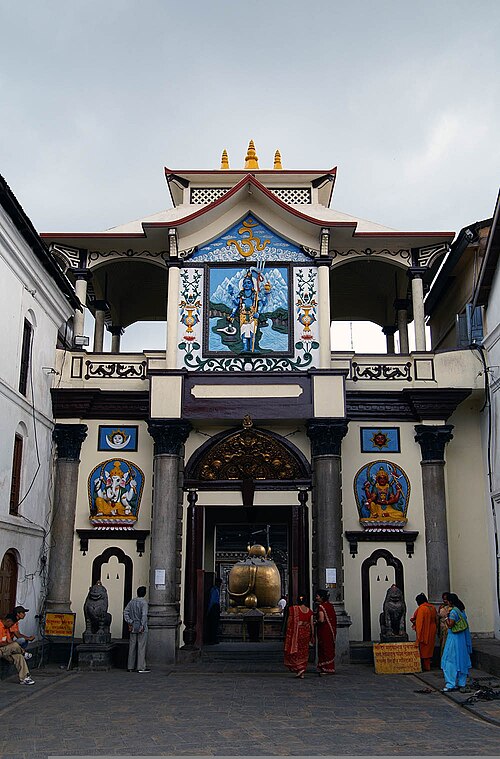
Pashupatinath: Where Life and Death Intersect by the Bagmati River
The most unique and captivating aspect of Pashupatinath is its role as a witness to the powerful intersection of life and death. The Bagmati River flowing through the temple complex is not just a sacred river but also the site of the final cremation rituals for Hindus.
Traditional Cremation Rituals
Along the banks of the Bagmati River are stone steps where families gather to perform cremation rituals for their deceased loved ones. The body is wrapped in a shroud, adorned with flowers and offerings, and then placed on a pyre. The fire is lit by a family member, usually the eldest son, symbolizing the send-off of the soul to the eternal realm.
Witnessing the cremation rituals at Pashupatinath can be a shocking experience for many visitors, but it is also a powerful reminder of the impermanence of life and the cycle of birth and death. For Hindus, this is a way to liberate the soul from the cycle of rebirth and achieve Nirvana.
After the body is completely cremated, the ashes and remaining items are scattered into the Bagmati River. They believe this act purifies and liberates the soul of the deceased. The Bagmati River, in their belief, is a confluence of sacred streams, carrying prayers and blessings for peace.
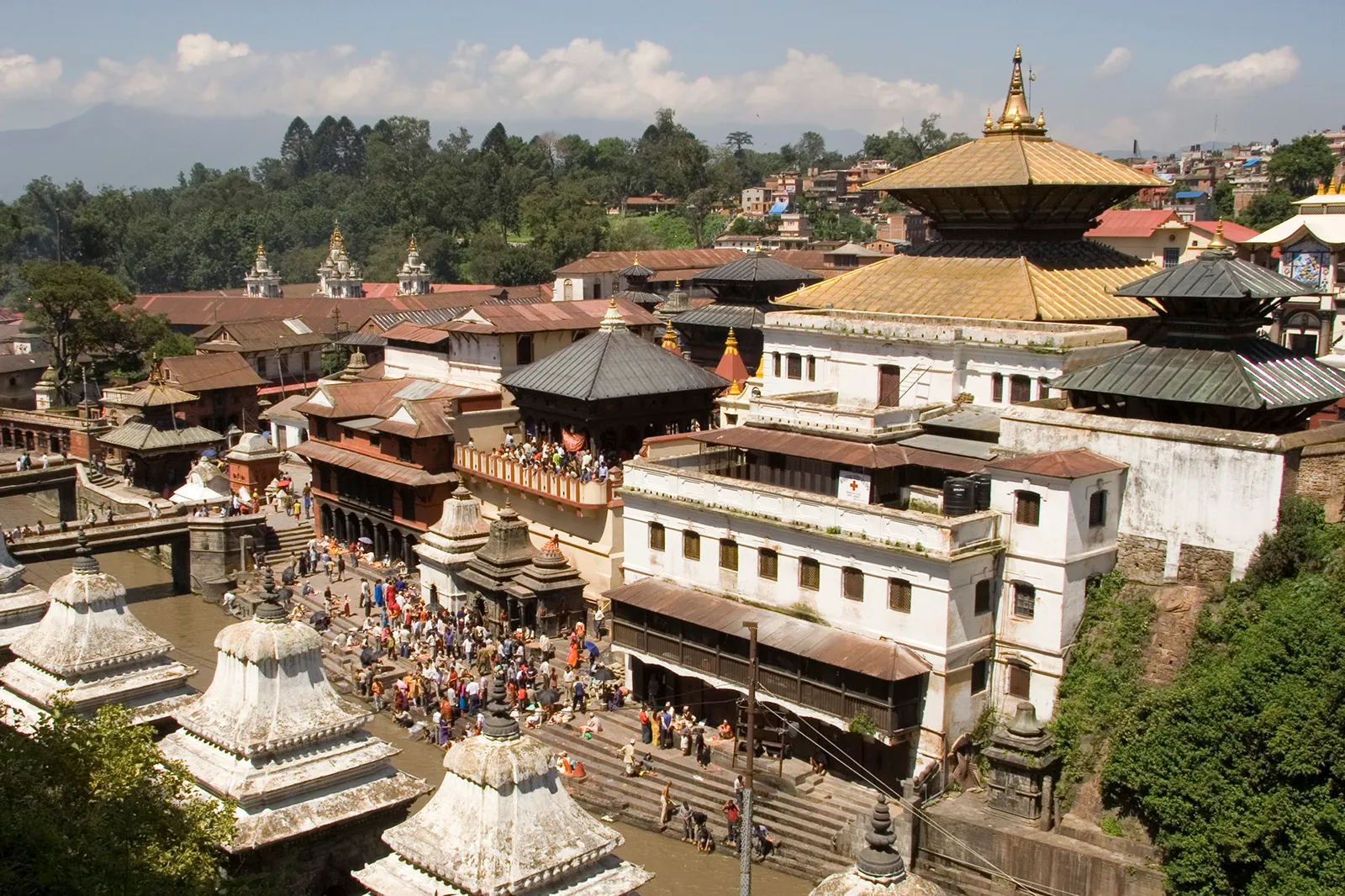
Spiritual Significance of the Bagmati River
The Bagmati River is considered one of the holiest rivers in Nepal, akin to the Ganges River in India. Its waters are believed to have the power to purify sins and bring good fortune. Therefore, many devotees come here not only to witness the cremation rituals but also to bathe in the sacred waters, offer prayers, and perform religious ceremonies.
However, it is important to note that due to the continuous frequency of rituals, the Bagmati River sometimes faces pollution challenges. Local authorities and organizations are making efforts to improve the situation, but it remains a significant challenge.
Unique Architecture of the Temple Complex
The Pashupatinath Temple complex boasts numerous impressive architectural structures, each with its own meaning and story.
The Main Pashupatinath Temple
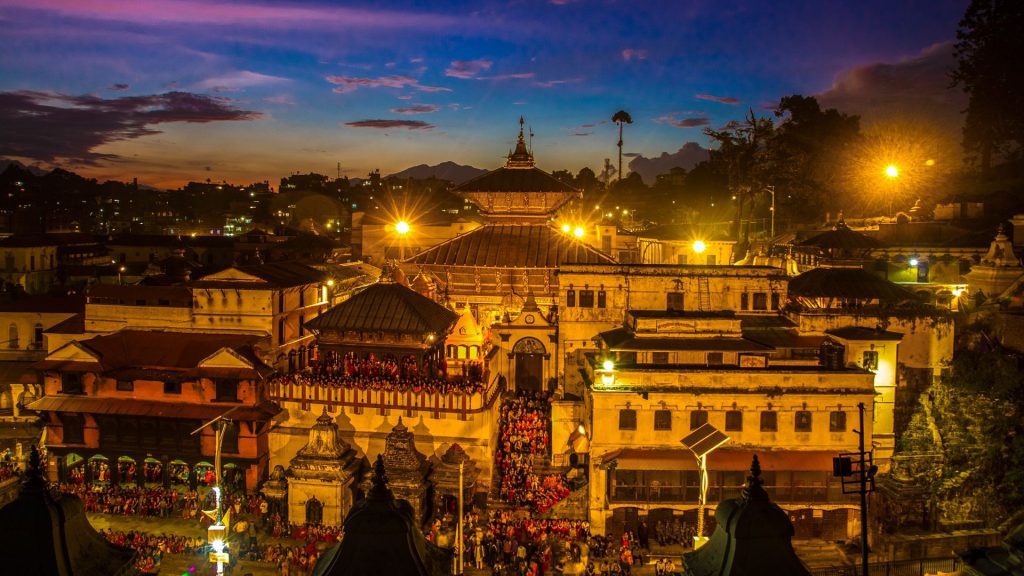
The main temple, dedicated to Lord Shiva as Pashupati, is the heart of the complex. Its architecture is in the pagoda style, featuring multi-tiered roofs and intricate decorative details. Notably, this temple is only accessible to Hindus. However, visitors can still admire its architectural beauty from the outside and observe the spiritual activities taking place around it.
The idol of Lord Shiva here is considered very ancient and sacred. Devotees come to offer sacrifices, perform prayers, and seek blessings.
Other Temples and Shrines
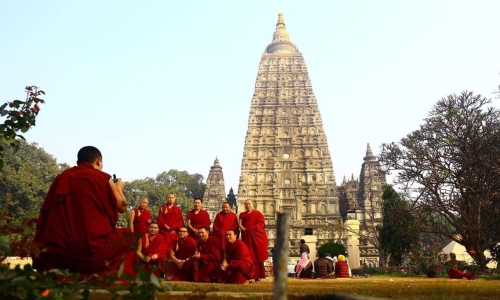
Surrounding the main temple are hundreds of smaller temples dedicated to other Hindu deities such as Vishnu, Ganesh, Surya (the Sun God), and more. Additionally, there are numerous hermitages where monks and ascetics practice meditation and spiritual discipline.
One of the other highlights is the area with numerous lingams placed on altars. The lingam is a symbol of creative power and fertility, often found in temples dedicated to Lord Shiva.
Importance for Spiritual and Altruistic Tourism
Pashupatinath is an ideal destination for those interested in spiritual tourism and altruistic travel. Visitors can find peace, gain a deeper understanding of religious rituals, and have the opportunity to participate in activities that help the local community.
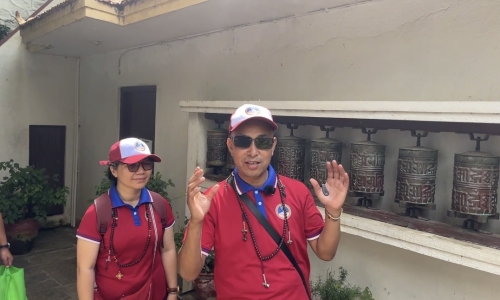
Specialized travel companies often organize spiritual tours, allowing visitors to delve deeper into Nepal's culture and beliefs. They can arrange meetings with spiritual masters, participation in meditation retreats, or volunteer activities.
Experiencing Pashupatinath
When visiting Pashupatinath, travelers should be prepared for potentially intense emotional experiences, but also for opportunities to reflect on life.
Things to Note
- Dress Code: Please dress modestly and respectfully, showing reverence for this sacred place. Avoid wearing overly short or revealing clothing.
- Cultural Respect: Do not photograph cremation rituals without permission, especially when local people are performing them.
- Attitude: Maintain a respectful, quiet, and observant demeanor with empathy. Avoid making noise or causing disturbances.
- Money: Have some small change ready for offerings or small services.
- Safety: Be mindful of your personal belongings, especially in crowded areas.
Exploring Culture and Beliefs
Besides witnessing the rituals, visitors have the chance to learn about Hinduism through the statues, reliefs, and stories shared by local guides. You might see Sadhus (ascetics) in their distinctive attire, practicing meditation or performing arts.
Evenings at Pashupatinath often feature Aarti ceremonies (fire offerings) by the river, creating a solemn and mystical atmosphere.
Travel Support Services
For a smooth and complete trip, visitors can seek professional travel services.
Spiritual and Altruistic Tours
Travel agencies offer Nepal tours with Pashupatinath as a highlight. Spiritual and altruistic tours will help visitors gain deeper insights into the culture and religion and provide opportunities for meaningful activities.
Other Services
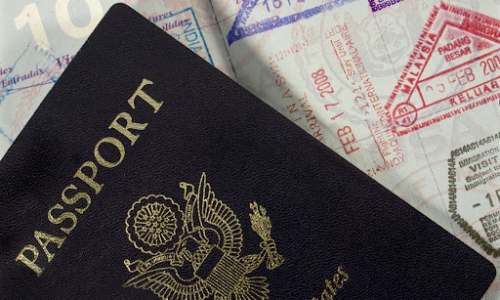
In addition to domestic and international tours, companies also provide a variety of services such as flight bookings, hotel reservations, car rentals, visa assistance, and event organization.
Professional tour guides will accompany you, offering memorable experiences and useful information about the destinations.
Travel combo packages are also a cost-effective and convenient option for travelers who wish to combine multiple services into one.
Conclusion
Pashupatinath is more than just a tourist destination; it is a journey of deep exploration into humanity, culture, and spirituality. Here, life and death merge in a sacred union by the Bagmati River, offering visitors unforgettable experiences and reflections on the meaning of life.
If you are seeking a trip for contemplation, cultural exploration, and understanding of beliefs, then Pashupatinath is an unmissable destination.
Contact Information:
Dzogchen Travel Co., Ltd.
Address: 151-153 Phu Tho Hoa Street, Phu Tho Hoa Ward, HCMC
Hotline: 0833939768
Phone: 0833939768
Email: xuan@dzogchentravel.com
Website: dzogchentravel.com