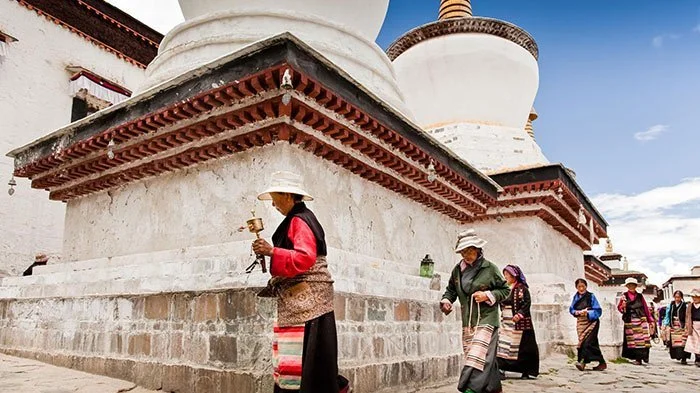


Bodh Gaya, the spiritual heart of India, is more than just a pilgrimage destination; it is the site of the most sacred moments in the life of Shakyamuni Buddha – the event of Enlightenment. It is the origin point of Buddhism, spreading the light of wisdom and compassion across the globe. This article will take you on a journey to explore Bodh Gaya, from its historical formation, profound spiritual significance, to the unforgettable experiences for travelers, especially Buddhists worldwide.
Bodh Gaya: The Land of the Buddha's Enlightenment – A Global Spiritual Origin
Bodh Gaya, located in the state of Bihar in eastern India, is one of the four most sacred Buddhist pilgrimage sites, alongside Lumbini (birthplace), Sarnath (first sermon), and Kushinagar (place of passing into Nirvana). Recognized as a UNESCO World Heritage Site, it attracts millions of Buddhists and pilgrims annually to pay homage, pray, and seek inner peace.
Historical Formation and Development of Bodh Gaya
To understand the true value of Bodh Gaya, we must turn back time over 2,500 years, to the period when Prince Siddhartha Gautama, later Shakyamuni Buddha, began his quest to find the path to liberation from suffering for all humanity.
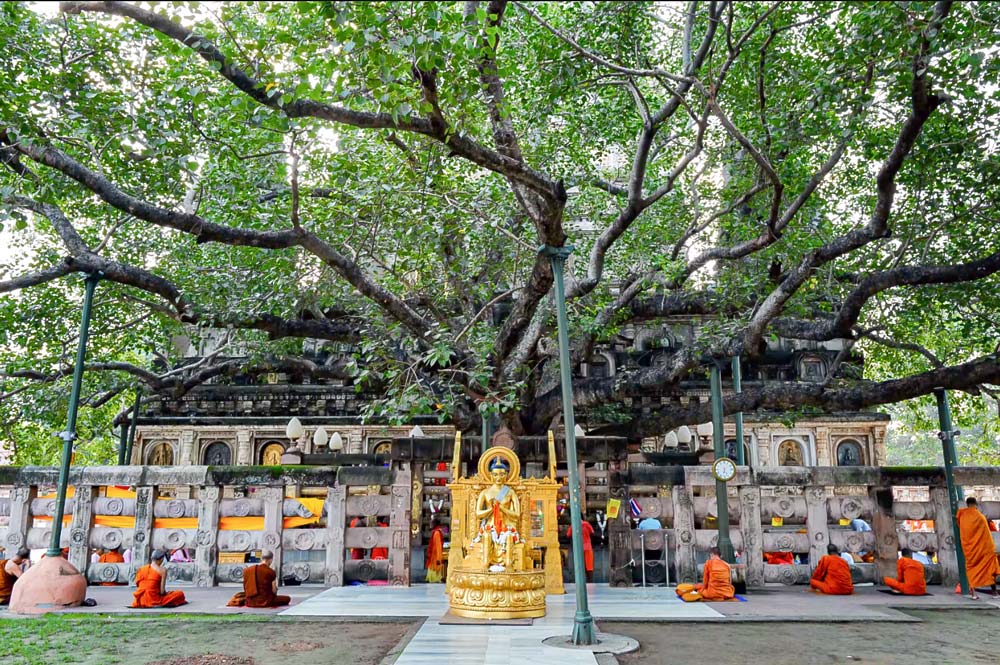
After years of ascetic practice, realizing this method did not lead to enlightenment, Prince Siddhartha abandoned the extreme austerities. He accepted a bowl of milk-rice from Sujata and sought refuge under an ancient Bodhi tree by the Niranjana River to meditate.
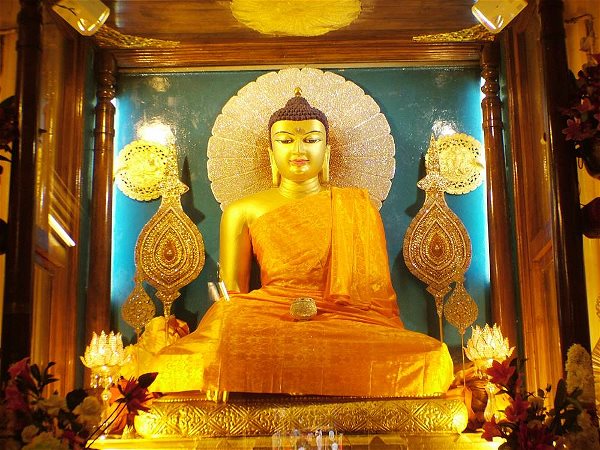
On the full moon night of Vesakha (usually in April or May), under the sacred Bodhi tree, after defeating the temptations of Mara, Prince Siddhartha attained Samyaksambuddha, becoming the Buddha – the Enlightened One.
Since then, this Bodhi tree has become a symbol of enlightenment, and the region has been known as Bodh Gaya.
Architecture and Key Structures
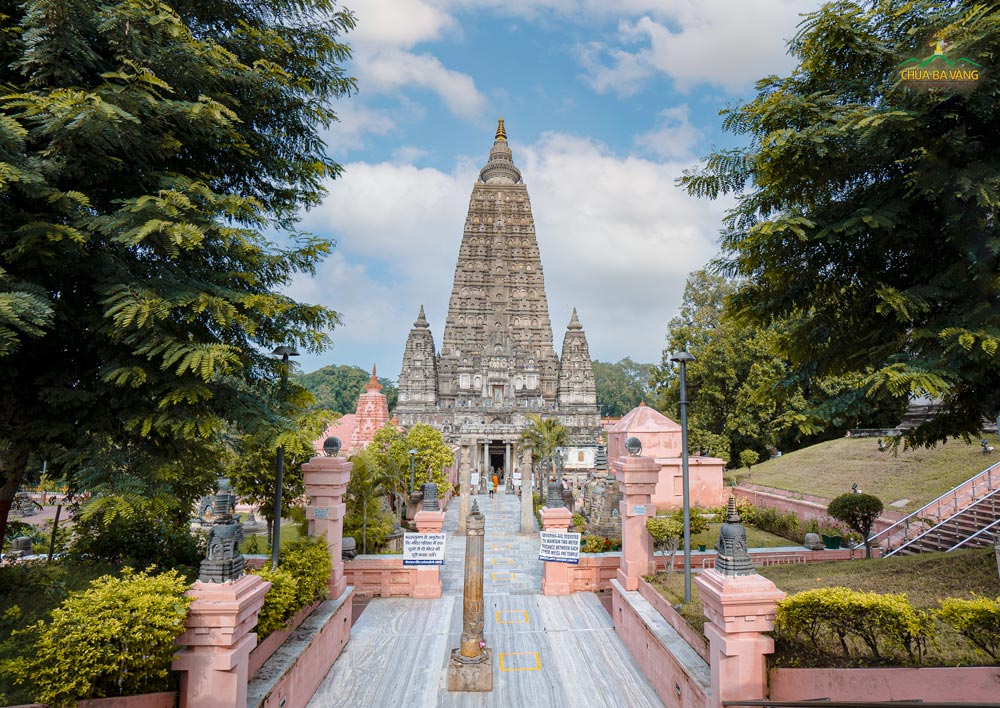
The heart of Bodh Gaya is the Mahabodhi Temple. This ancient temple has undergone numerous renovations and constructions across different dynasties, yet it retains its unique architectural style deeply rooted in Buddhism.
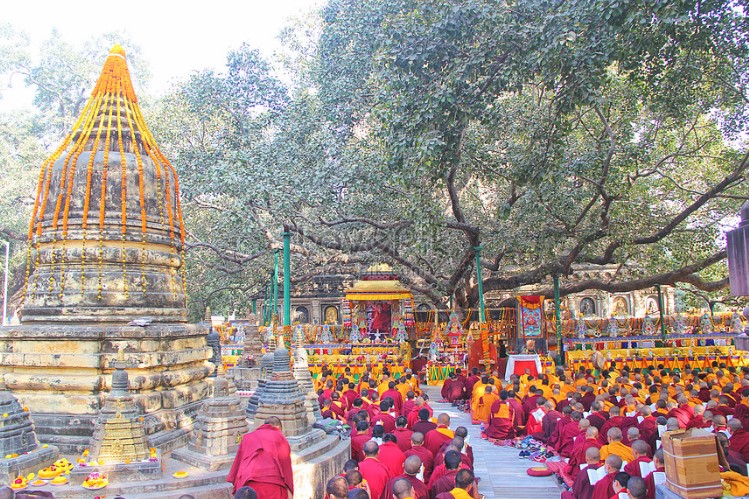
The Mahabodhi Temple's architecture follows ancient Indian temple design, featuring a towering spire surrounded by smaller shrines. At the center of the temple lies the sacred Bodhi Tree, where the Buddha meditated and attained enlightenment. Although the original Bodhi tree is no longer present, the current tree, believed to be descended from the original, remains a place for devotees to worship, meditate, and pray.
Surrounding the Mahabodhi Temple is a complex of other significant religious structures:
- Vajrasana (The Diamond Throne): Located directly under the Bodhi Tree, this is believed to be the spot where the Buddha meditated and attained enlightenment. Vajrasana is an intricately carved stone platform, symbolizing the firm foundation for enlightenment.
- International Monasteries and Temples: Today, Bodh Gaya is a gathering place for Buddhist communities from around the world. Each country has built monasteries and temples reflecting its unique architectural style, such as: Tibetan Monastery, Bhutanese Monastery, Japanese Monastery, Thai Monastery, Vietnamese Monastery, Sri Lankan Monastery, Myanmar Monastery, Chinese Monastery... These structures are not only places for monks, nuns, and devotees to practice and reside but also fascinating attractions that showcase the diversity and unity of global Buddhism.
- Animeshlocha Stupa (Temple of Unblinking Eyes): Legend has it that after attaining enlightenment, the Buddha stood at this spot for seven days, gazing at the Bodhi tree without blinking.
- Ratanachakra Stupa (Temple of Jewels): The place where the Buddha walked in contemplation for seven days after enlightenment.
- Lotus Pond: A place where the Buddha manifested numerous lotuses to serve as meditation seats.
Spiritual Significance and Intrinsic Value
Bodh Gaya is not merely a historical or archaeological site; it is a center of immense spiritual energy. For millions of Buddhists worldwide, it holds profound significance:
- The Source of Enlightenment: The place where the Buddha attained supreme enlightenment, opening the path of liberation for all sentient beings. Visiting here allows individuals to deeply connect with the Buddha's life, philosophy, and compassion.
- A Place for Spiritual Purification: The serene and solemn atmosphere, coupled with visiting sacred relics, helps devotees cleanse themselves of defilements, anger, and greed, turning their minds towards peace, compassion, and wisdom.
- Symbol of Compassion and Wisdom: The Bodhi tree and the Mahabodhi Temple serve as reminders of the inherent potential within each individual to achieve enlightenment through diligent practice, letting go, and cultivating compassion.
- Unity and Diversity of Buddhism: The presence of monasteries from various countries demonstrates the universal nature of Buddhism and respect for different traditions and cultures, all converging towards the goal of liberation.
- A Place for Prayer and Dedication of Merits: Many Buddhists visit Bodh Gaya to pray for themselves, their families, and friends, and to dedicate merits to all sentient beings.
Spiritual Tourism Experience in Bodh Gaya
A pilgrimage to Bodh Gaya is a profound experience, offering significant spiritual benefits and enriching cultural discoveries.
- Sightseeing and Pilgrimage: Dedicate time to visit the Mahabodhi Temple, Vajrasana, the Bodhi Tree, and sequentially, the monasteries and temples of various nations. Each structure holds unique historical narratives and architectural wonders to explore.
- Meditation: Find a tranquil spot under the Bodhi tree or in meditation areas within the monasteries to quiet your mind and contemplate the Buddha's teachings.
- Participate in Ceremonies: Check the schedule for chanting and prayer sessions at the temples and monasteries. You may have the opportunity to join monks, nuns, and devotees, experiencing the solemn atmosphere.
- Explore Local Culture: Discover local markets, savor Indian cuisine, and learn about the life of the people of Bihar.
- Combine with Other Sacred Sites: Buddhist pilgrimage tours often combine Bodh Gaya with other holy sites like Sarnath, Rajgir, Vaishali (India), or Lumbini (Nepal) for a more complete journey.
Important Notes for Visiting Bodh Gaya
To ensure a safe and meaningful trip, visitors should consider the following:
- Dress Code: Dress modestly and respectfully, especially when entering sacred areas like temples and monasteries. Prepare shoes that are easy to remove as they will need to be taken off in many places.
- Health: The weather in Bihar can be quite hot, particularly during the summer. Drink plenty of water, use sunscreen, and carry personal medications.
- Security: Be cautious with your personal belongings and avoid walking alone in deserted areas at night.
- Respect Local Culture: Always maintain a respectful attitude towards the beliefs and religions of the local people and other pilgrims.
- Regulations: Adhere to the regulations set by the Heritage Management Authority, such as not bringing food into the Bodhi tree area, no smoking, and maintaining quietude.
- Photography/Videography: Seek permission from the management or responsible persons before taking photos or videos in sensitive areas.
Bodh Gaya: An Ideal Destination for Spiritual Tourism and Philanthropy
With its profound historical, cultural, and spiritual significance, Bodh Gaya is an unmissable destination for those seeking tranquility and meaningful experiences in their spiritual journeys. It is also an ideal location for philanthropic tours to engage in meaningful activities and contribute to the local community.
Dzogchen Travel Co., Ltd. is proud to be your companion on the journey to explore the origins of enlightenment.
Dzogchen Travel's Spiritual Tourism Services
We offer a diverse range of services to provide the most complete and convenient experience for our guests:
- India Spiritual Tours: Designing in-depth itineraries to Bodh Gaya and other Buddhist holy sites in India, including short and long-term tours.
- Philanthropic Tours: Organizing trips that combine pilgrimage with charitable activities in India, offering opportunities to contribute to those in need.
- Flight Tickets: Assisting with booking international and domestic flights to India at the best prices.
- Hotel Accommodation: Booking hotel rooms in convenient locations near the holy sites, ensuring comfort and security.
- Car Rental Services: Providing private car transfers and group tour vehicles to ensure smooth transportation between attractions.
- Visa Assistance: Efficiently assisting with the Indian tourist visa application process.
- Tour Guides: Offering experienced tour guides knowledgeable in Buddhist history, Indian culture, and languages, ready to accompany you.
- Travel Packages: All-inclusive packages covering flights, hotels, and tours, helping you save time and money.
Why Choose Dzogchen Travel for Your Spiritual Journey?
With years of experience in the tourism industry, especially in spiritual tourism, Dzogchen Travel is committed to providing absolute satisfaction to our guests:
- Service Quality: We prioritize service quality at every stage, from consultation and booking to on-trip support.
- Expertise and Insight: Our team of specialists and guides possess in-depth knowledge of Buddhism, Indian history, and culture, ensuring valuable information and the most meaningful experiences.
- Reputation and Professionalism: Dzogchen Travel operates on principles of transparency, professionalism, and prioritizing customer interests.
- Competitive Pricing: We strive to offer the most reasonable service packages while maintaining high quality.
Contact Us
Let Dzogchen Travel be your companion on the journey to the roots of enlightenment in Bodh Gaya.
DZOGCHEN TRAVEL CO., LTD.
Address: 151-153 Phu Tho Hoa Street, Phu Tho Hoa Ward, Ho Chi Minh City
Hotline: 0833939768
Phone: 0833939768
Email: xuan@dzogchentravel.com
Website: dzogchentravel.com