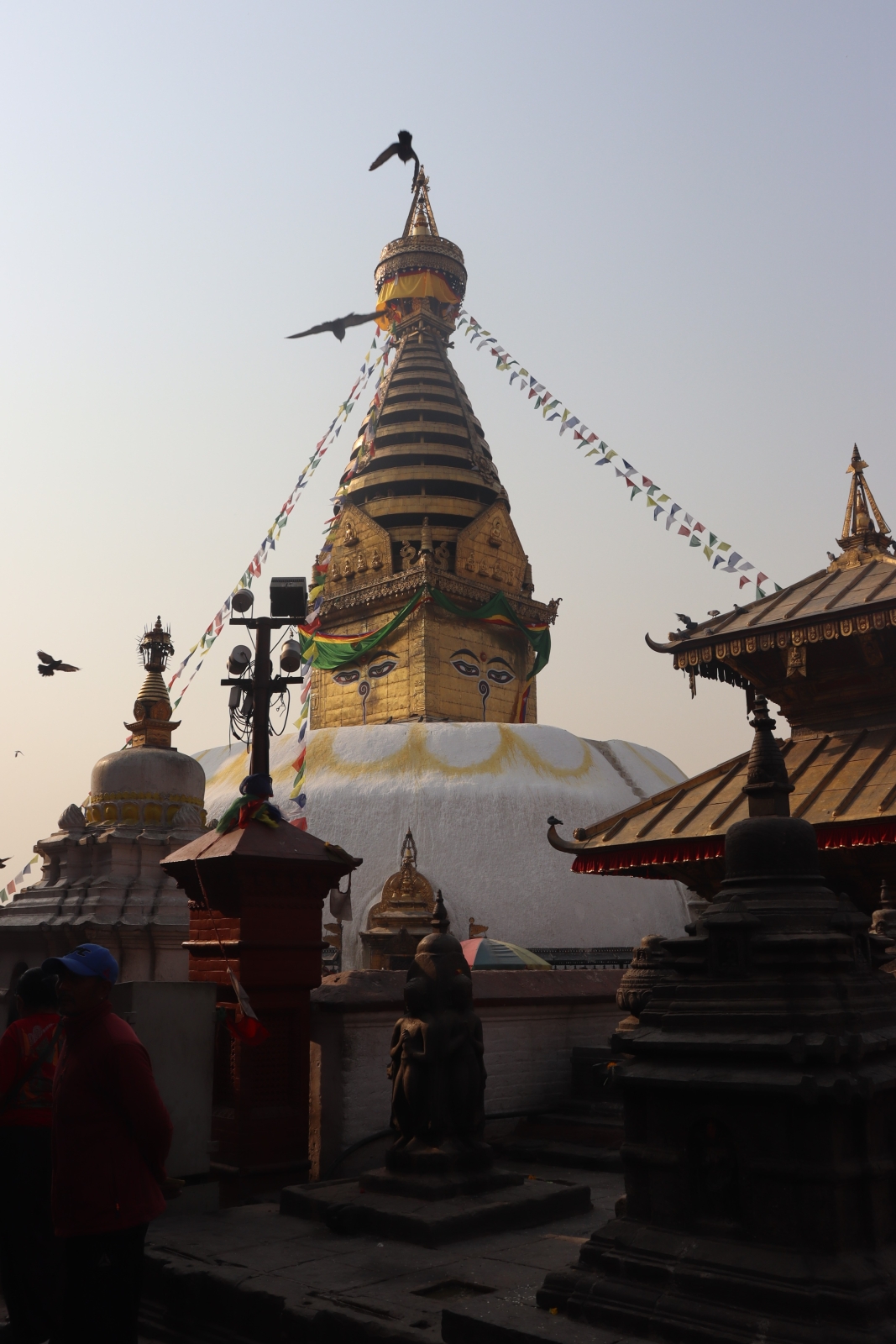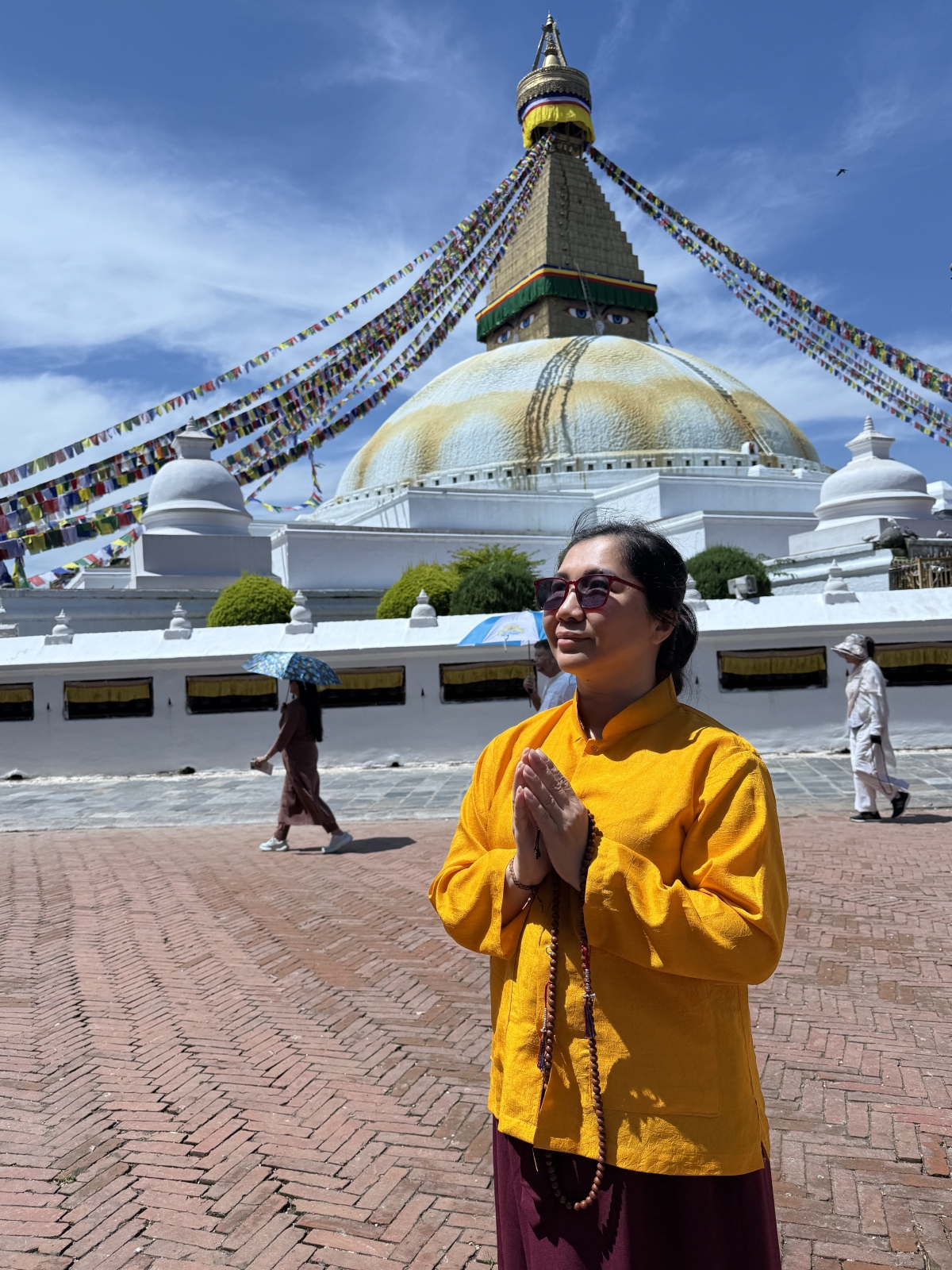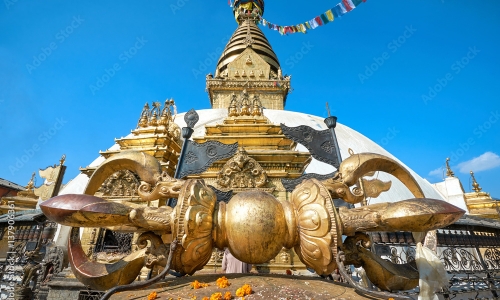


Stepping into the mystical land of the Himalayas, where snow-capped peaks kiss the sky and ancient monasteries hide in wisps of smoke, you bring not just your travel gear but also a heart yearning to connect. Language, at times, can be an invisible wall separating us from authentic cultural experiences. But with these 50 basic Nepali phrases, you'll have the key to unlock the hearts of the local people, making your journey of discovery in Nepal more profound and meaningful than ever before.
Discover Nepali Culture Through Words: Starting with "Namaste"
In Nepali culture, greetings are not merely social niceties but carry a deep life philosophy. "Namaste" (नमस्ते) is the most common greeting, signifying respect and spiritual connection. When you say "Namaste" with all your heart, you are not just greeting a person, but the divine within them. This is a perfect starting point to break down any barriers and initiate a meaningful conversation.
Basic Greetings and Inquiries
Starting a conversation always requires friendliness and openness. Simple yet sincere inquiries will help you build good relationships with the local people.
- Namaste (नमस्ते): Hello (a formal greeting, showing respect)
- Namaskar (नमस्कार): Hello (another common greeting)
- Kasto cha? (कस्तो छ?): How are you?
- Thik cha (ठीक छ): I am fine. / It's okay.
- Dhanyabad (धन्यवाद): Thank you.
- Malai maaf garnuhos (मलाई माफ गर्नुहोस्): Excuse me. / I'm sorry.
- Mero naam [Your Name] ho (मेरो नाम [Tên của bạn] हो): My name is [Your Name].
- Tapai ko naam ke ho? (तपाईंको नाम के हो?): What is your name?
- Bhet gam (भेट्नु भयो) / Herna paye (हेर्न पाए): Nice to meet you.
Daily Communication: Essential Phrases
During your journey in Nepal, communicating basic needs, showing interest, and understanding local culture will lead to memorable and meaningful experiences. Here are some practical phrases you can use daily.
Asking for Directions and Getting Around
Nepal is a country with diverse terrain, and getting around can be an interesting challenge. Simple directions will help you navigate more easily.
- Yo kahan cha? (यो कहाँ छ?): Where is this?
- [Place] kata cha? ([स्थान] कता छ?): Where is [Place]?
- Bato (बाटो): Road
- Bahira janne bato kun ho? (बाहिर जाने बाटो कुन हो?): Which is the way out?
- Yo dherai tadha cha? (यो धेरै टाढा छ?): Is this far?
- Yo najik cha? (यो नजिक छ?): Is this nearby?
- Bus park kata ho? (बस पार्क कता हो?): Where is the bus park?
- Taxi milcha? (ट्याक्सी मिल्छ?): Are taxis available?
- Eutai ticket ko kati parcha? (एउटा टिकटको कति पर्छ?): How much is one ticket?
- Mero hotel kata ho? (मेरो होटल कता हो?): Where is my hotel?
Shopping and Dining
Exploring local cuisine and products is an integral part of any trip. The following phrases will help you shop and enjoy Nepal's specialties with more confidence.
- Yo kasko ho? (यो कसको हो?): Whose is this?
- Yo kati ko ho? (यो कतिको हो?): How much is this?
- Yo dherai mahango cha. (यो धेरै महँगो छ।): This is too expensive.
- Aru ke cha? (अरु के छ?): What else is there?
- Malai yo lagcha. (मलाई यो लाग्छ।): I'll take this.
- Mitho cha. (मिठो छ।): It's delicious.
- Malai bhok lagyo. (मलाई भोक लाग्यो।): I am hungry.
- Malai piyar lagyo. (मलाई तिर्खा लाग्यो।): I am thirsty.
- [Dish] milcha? ([खाना] मिल्छ?): Do you have [Dish]?
- Paani (पानी): Water
- Chaha (चिया): Tea
- Kafe (कफी): Coffee
Deeper Connections: Expressing Interest and Gratitude
A journey to Nepal is not just about sightseeing; it's an opportunity to touch the hearts of its hospitable people. Expressing interest, gratitude, and sincere compliments will open doors to meaningful connections.
Showing Kindness and Respect
Small gestures and heartfelt words can make a big difference in how you experience Nepali culture.
- Aafno desh kasto cha? (आफ्नो देश कस्तो छ?): How is your country?
- Tapai ko desh ramro cha. (तपाईंको देश राम्रो छ।): Your country is beautiful.
- Malai yo thau dherai pasand parcha. (मलाई यो ठाउँ धेरै मन पर्छ।): I really like this place.
- Dherai ramro! (धेरै राम्रो!): Very good!
- Ma nepali seekdai chu. (म नेपाली सिक्दैछु।): I am learning Nepali.
- Tapai dherai milanshar hunuhuncha. (तपाईं धेरै मिलनसार हुनुहुन्छ।): You are very friendly.
- Sahyog ko lagi dhanyabad. (सहयोगको लागि धन्यवाद।): Thank you for your help.
- Tapai lai dhanyabad dinchu. (तपाईंलाई धन्यवाद दिन्छु।): I thank you.
Phrases Expressing Deep Gratitude
In Nepali culture, gratitude is a highly valued virtue. Expressing sincere appreciation will help you build strong and meaningful relationships.
- Dhanyabad cha! (धन्यवाद छ!): Thank you very much!
- Tapai ko daya cha. (तपाईंको दया छ।): That's your kindness.
- Malai samjhida kun, dhanyabad. (मलाई सम्झिँदा कुन, धन्यवाद।): Thank you for thinking of me.
- Dherai dhanyabad! (धेरै धन्यवाद!): Many thanks!
- Tapai dherai udar cha. (तपाईं धेरै उदार छ।): You are very generous.
Emergency Situations and Requests
While we hope for smooth sailing, preparing for unexpected situations is essential. The following phrases can help you in emergencies or when you need to ask for assistance.
When Needing Help
Sometimes, you will need the help of local people. Don't hesitate; use polite and clear phrases.
- Madat garnuhos! (मदत गर्नुहोस्!): Help me, please!
- Ma bhatkaiya chu. (म बिरामी छु।): I am sick.
- Malai dokcha. (मलाई दुख्छ।): I am in pain.
- Doctor kaha huncha? (डाक्टर कहाँ हुन्छ?): Where is the doctor?
- Police kaha huncha? (पुलिस कहाँ हुन्छ?): Where is the police?
- Ma ghumphir aako chu. (म घुम्न आएको छु।): I am here for tourism.
- Mero bishwas chhutyo. (मेरो बिश्वास छुट्यो।): I am lost.
Other Polite Phrases
Politeness is key to building good relationships. These phrases will help you show respect in all situations.
- Bibi (विबि): Madam (addressing a woman)
- Dai (दाई): Elder brother (addressing an older man)
- Bhai (भाई): Younger brother (addressing a younger man)
- Bahini (बहिनी): Younger sister (addressing a younger woman)
- Malai kehi bhanna mann lagyo. (मलाई केही भन्न मन लाग्यो।): I want to say something.
- Tapai sanga kura garna sakchu? (तपाईं सँग कुरा गर्न सक्छु?): Can I talk to you?
Meaningful Numbers in Nepali Culture
Numbers are fundamental to communication in any language. Mastering Nepali numbers will be very helpful for shopping, planning, and many other activities.
Basic Counting
Learning to count from 1 to 10 is the first step to familiarizing yourself with Nepal's number system.
- Ek (एक): One
- Dui (दुई): Two
- Tin (तीन): Three
- Chaar (चार): Four
- Panch (पाँच): Five
- Chha (छ): Six
- Saat (सात): Seven
- Aath (आठ): Eight
- Nau (नौ): Nine
- Das (दस): Ten
Counting Higher
Once you are familiar with the basic numbers, expanding your vocabulary with higher numbers will help you communicate more effectively.
- Bish (बीस): Twenty
- Tis (तीस): Thirty
- Chalis (चालीस): Forty
- Pachas (पचास): Fifty
- Sath (सत्तर): Seventy
- Aushi (अस्सी): Eighty
- Nabbi (नब्बे): Ninety
- Sae (सय): One hundred
- Hajaar (हजार): One thousand
Conclusion: Every Word is a Bridge
Learning basic Nepali phrases is not just about equipping yourself for the trip; it's also a way to show respect and love for the local culture. Every time you utter a greeting or an inquiry, you are personally building bridges of connection with the people of the Himalayas. Let Dzogchen Travel accompany you on your journey to explore the magical beauty of Nepal, where unique spiritual and cultural experiences await. Let language become your companion, opening the door to the warm hearts of this land of wonders.
Contact Information for Dzogchen Travel
Dzogchen Travel LLC
Address: 151-153 Phu Tho Hoa Street, Phu Tho Hoa Ward, HCM
Hotline: 0833939768
Phone: 0833939768
Email: xuan@dzogchentravel.com
Website: dzogchentravel.com